
Introduction to Simple Seared Tuna Steaks
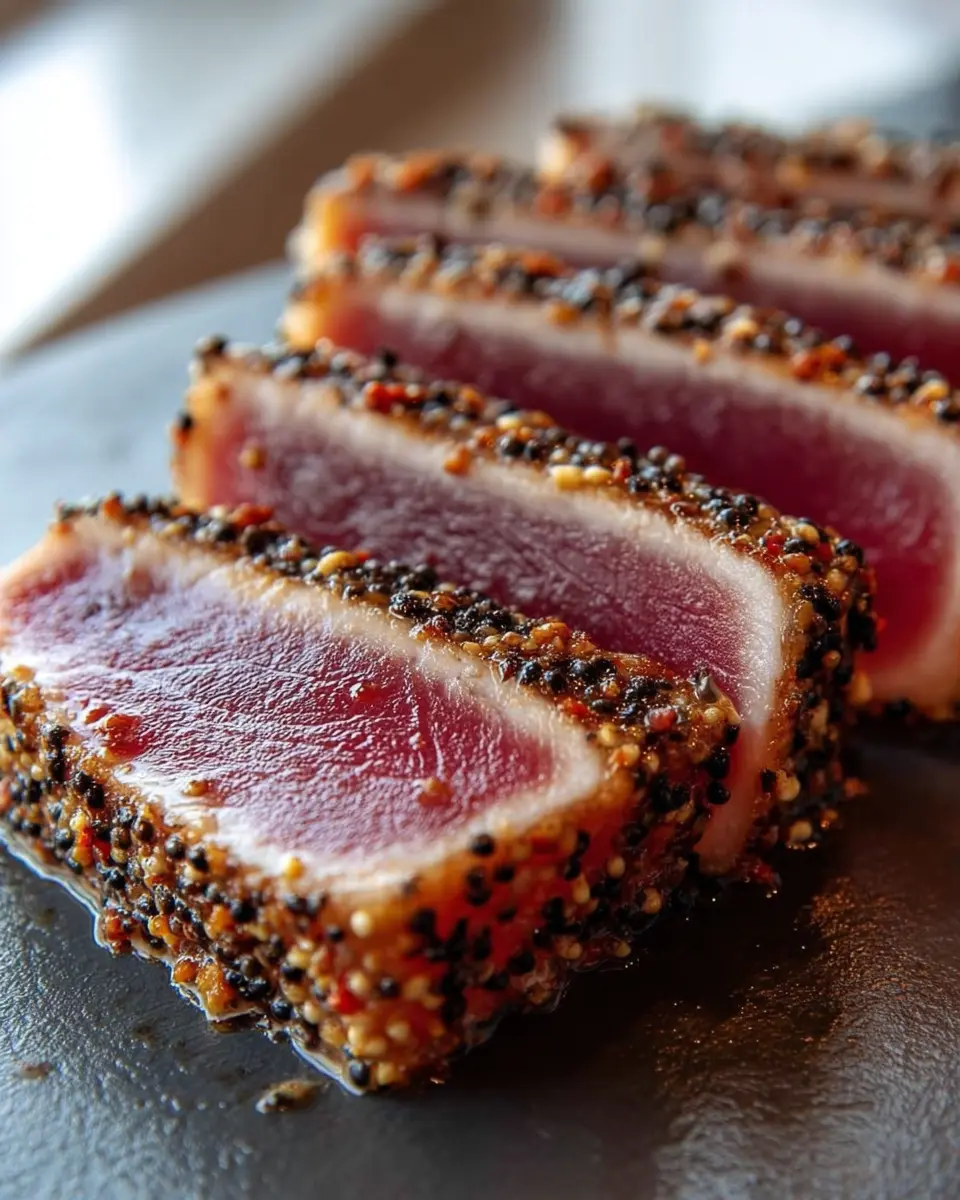
When it comes to quick and nutritious meals, simple seared tuna steaks are a standout choice! Not only are they ready in under ten minutes, but they also offer a perfect blend of rich flavor and tender texture that makes them irresistible. Imagine a delicious, crusty exterior surrounding a luscious, medium-rare center—it's the kind of meal that impresses guests while remaining effortlessly easy to prepare.
Why Choose Homemade Seared Tuna Steaks?
Making your own seared tuna steaks at home has several advantages. Firstly, you have total control over the ingredients. You can choose high-quality, sushi-grade tuna, ensuring you're serving a fresh, healthy dish. Plus, customizing the seasoning is a breeze! Whether you love a touch of garlic, a sprinkle of sesame seeds, or a sophisticated dipping sauce, homemade meals offer endless possibilities.
Additionally, preparing your meals at home is often more cost-effective than dining out. As you whip up these delightful steaks in your kitchen, you might even discover your culinary skills reaching new heights. Cooking can be both an art and a science, and mastering this recipe could lead to a series of gourmet dinners!
So, are you ready to elevate your lunch or dinner game? Let's dive into the recipe and enjoy every minute of crafting these simple seared tuna steaks!
Simple Seared Tuna Steaks
- Author: Ahazzam
- Total Time: 9 min
- Yield: 2 servings
- Diet: Low Fat
A quick method for cooking tuna steaks to a medium-rare finish with a flavorful crust.
Ingredients for Simple Seared Tuna Steaks
When it comes to whipping up simple seared tuna steaks, having the right ingredients on hand is key! Here's what you'll need:
- Tuna Steaks: 2 pieces, each about 6 ounces and 1 inch thick. For best results, opt for sushi-grade tuna. This guarantees freshness and enhances flavor.
- Olive Oil: 1 tablespoon to help achieve that perfect sear.
- Coarse Salt: 1 teaspoon enhances the natural flavors.
- Black Pepper: ½ teaspoon adds a subtle kick.
- Garlic Powder: ½ teaspoon gives an aromatic depth to your steaks.
These ingredients are not only simple but also elevate your dish to a whole new level. If you’re interested in exploring more about the health benefits of tuna, check out sources like the American Heart Association which highlight its low-fat, high-protein advantages.
Once you've gathered these components, you're ready to embark on your culinary adventure!
Step-by-step preparation of Simple Seared Tuna Steaks
Preparing simple seared tuna steaks at home is not just a delightful way to experience a restaurant-quality meal, but it’s also quick and enjoyable. This guide will walk you through each step, making sure you capture that beautiful crust while keeping the tuna tender and juicy. Let’s dive right into the process!
Prepare the tuna steaks
Begin by selecting fresh, high-quality tuna steaks. Ideally, look for sushi-grade options. Once you've got your tuna, it's essential to prepare them properly. Gently pat the steaks dry with paper towels—this helps to achieve a lovely sear. Remember, moisture can create steam when cooking, preventing that much-desired crust. Now, check for any pin bones and remove them if you find any.
Mix the spice blend
In a small bowl, mix the following spices:
- 1 teaspoon coarse salt
- ½ teaspoon black pepper
- ½ teaspoon garlic powder
These simple yet flavorful ingredients will elevate your tuna steaks. You can always customize the blend by adding a pinch of cayenne for heat or some herbs like thyme for an aromatic touch. Once combined, rub this spice mixture evenly over all sides of the tuna steaks. This not only adds flavor but also ensures that each bite is seasoned perfectly.
Heat the skillet
Next, it's time to heat your pan! A heavy skillet, such as a cast-iron one, is perfect because it retains heat well. Pour in 1 tablespoon of olive oil and heat it over medium-high heat until it starts to shimmer. Want to ensure your oil is hot enough? Drop a pinch of the spice mixture in, and if it sizzles, you’re good to go. This step is crucial for creating that delicious crust we all love on simple seared tuna steaks.
Sear the tuna steaks
With the pan hot and ready, carefully place the tuna steaks in the skillet. Avoid overcrowding to maintain that sizzling effect. Depending on your preference, sear each side for about 1.5 to 2 minutes for a perfect rare to medium-rare finish. If you like it cooked through, you can adjust the time. Remember, the outside should be beautifully browned while the inside remains pink and tender.
Rest and slice the tuna steaks
Once your steaks are done, remove them from the skillet and let them rest on a cutting board for 3 minutes. This resting period allows the juices to redistribute, ensuring each bite is succulent. After resting, slice against the grain—this is key for tenderness. Serve with a drizzle of olive oil or alongside fresh veggies, and enjoy your delicious simple seared tuna steaks!
This recipe not only showcases how easy it is to prepare tuna steaks but also delivers a satisfying dish that’s perfect for a weeknight dinner or a special occasion. For more culinary inspiration, check out resources like the Seafood Nutrition Partnership for tips on healthy cooking!
Variations on Simple Seared Tuna Steaks
Sesame Crusted Tuna Steaks
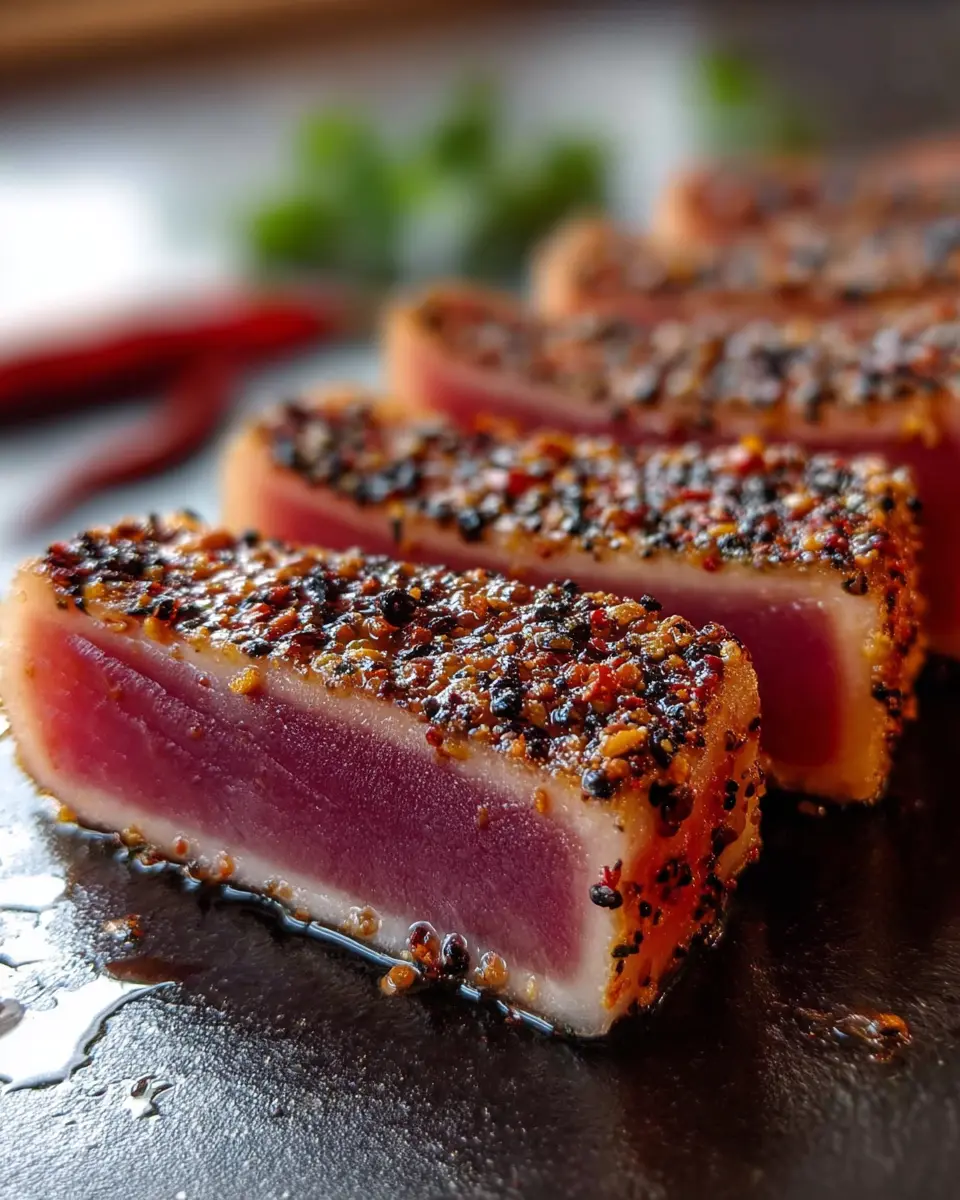
Elevate your simple seared tuna steaks with a flavorful sesame crust! To create this delightful variation, coat the tuna steaks in a mix of sesame seeds—both white and black—before searing. The seeds add a nutty crunch that perfectly complements the tender fish. Simply follow the initial recipe steps, but before heating your skillet, roll the seasoned steaks in sesame seeds thoroughly. The result? Crispy, golden edges that are sure to impress your guests and bring an exciting texture to your dish. Looking for the best sesame seeds? Check them out on Forks Over Knives.
Asian-Inspired Marinated Tuna Steaks
For a fresh twist, try marinating your tuna steaks in a mixture of soy sauce, ginger, and garlic before cooking. This Asian-inspired marinated tuna provides an umami punch and enhances the fish's natural flavors. Combine ¼ cup of low-sodium soy sauce, a teaspoon of freshly grated ginger, and minced garlic. Marinate the steaks for about 15-30 minutes, then remove and pat dry before searing. The result is a deliciously savory and aromatic dish, perfect for a weeknight dinner or a special occasion. Learn more about the health benefits of soy on Healthline.
Cooking Tips and Notes for Simple Seared Tuna Steaks
Cooking simple seared tuna steaks is a delightful experience that can elevate any home meal. Here are some handy tips to ensure your dish turns out perfectly every time:
-
Sourcing Tuna: Always opt for sushi-grade or sashimi-grade tuna steaks, as they guarantee freshness and safety for medium-rare cooking. Many local seafood markets can help you choose the best cuts.
-
Perfect Searing: The key to a delicious crust lies in a hot skillet—cast iron is excellent for even heat distribution. If you're looking for a crisper outer layer, consider mixing in a bit of sea salt or a light coat of high smoke point oil like avocado oil.
-
Resting is Essential: After cooking, let the steaks rest for at least three minutes before slicing. This allows the juices to redistribute, making each bite tender and flavorful.
For more detailed information on fish preparation techniques, you can check out resources at Seafood Nutrition. Happy cooking!
Serving suggestions for Simple Seared Tuna Steaks
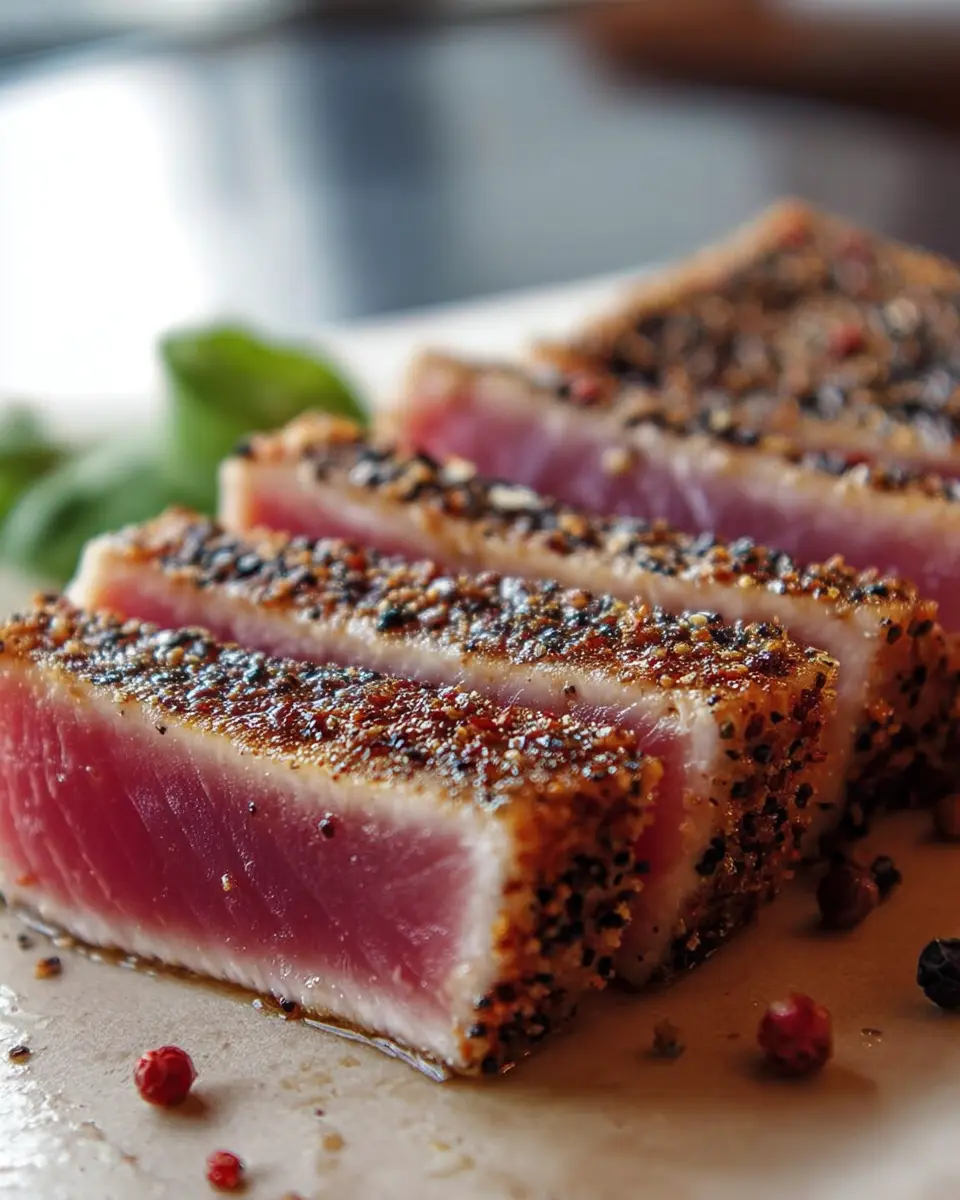
When it comes to enjoying your simple seared tuna steaks, the right accompaniments can elevate your dining experience. Here are some delicious serving suggestions that pair beautifully with your perfectly cooked tuna:
-
Fresh Salad: A zesty arugula or mixed green salad dressed with lemon vinaigrette adds a vibrant touch. The peppery greens contrast nicely with the rich tuna.
-
Grains: Consider serving your tuna over a bed of quinoa or brown rice. Both options provide a wholesome base that absorbs flavors beautifully.
-
Sautéed Veggies: Brighten your plate with sautéed asparagus or seasonal vegetables. Their crunch complements the steak’s tenderness.
-
Salsa or Relish: A mango salsa or avocado relish can bring a sweet and creamy element that enhances the dish.
For further serving ideas, check out Healthline's guide on tuna. Enjoy your meal!
Time Breakdown for Simple Seared Tuna Steaks
Preparation time
Get ready to cook in just 5 minutes! This includes gathering your ingredients and seasoning the tuna steaks. A quick prep will ensure you enjoy a seamless cooking experience.
Cooking time
The cooking part is remarkably swift—only 4 minutes. You’ll achieve perfect, medium-rare tuna steaks in no time, making this dish perfect for a busy weekday dinner.
Total time
In just 9 minutes, you can treat yourself to delicious simple seared tuna steaks. How great is that? A satisfying meal that’s quick and healthy—what more could you ask for?
For more ideas on quick meals, check out other resources on healthy cooking or quick meal prep tips.
Nutritional Facts for Simple Seared Tuna Steaks
Calories
In one serving of simple seared tuna steaks, you’ll find about 200 calories. This makes them a fantastic option for anyone looking to enjoy a healthy protein source without heavy calorie counts.
Protein
Each tuna steak packs a whopping 35 grams of protein. That’s impressive! This nutrient is crucial for building muscle and keeping you satiated throughout your busy day.
Sodium
The sodium content stands at 350 milligrams, which is relatively moderate for a delicious dish like this. Be mindful if you're watching your salt intake, but it’s certainly manageable within a balanced diet.
Enjoy these tasty, healthy tuna steaks as part of your balanced meal plan, and consider pairing them with a fresh salad or steamed vegetables for an even more nutritious plate! For more insights into healthy eating, check out resources like the USDA’s dietary guidelines.
FAQs about Simple Seared Tuna Steaks
Can I use frozen tuna steaks?
Absolutely! You can use frozen tuna steaks for this recipe. Just make sure to thaw them properly in the refrigerator overnight or under cold running water before cooking. This ensures even cooking and helps retain the steaky texture we all love in those simple seared tuna steaks.
How do I know when tuna is perfectly cooked?
The best way to know if your tuna steaks are perfectly cooked is to use a meat thermometer. For a medium-rare finish, aim for an internal temperature of about 125°F (52°C). Alternatively, you can rely on color—when the outside is seared, and the center is a vibrant pink, you've nailed it!
Can I cook salmon using the same method?
Yes, you can certainly cook salmon using a similar searing method! However, be mindful that salmon should be cooked to an internal temperature of 145°F (63°C) for safety. The cooking time will vary slightly, so keep an eye on it as it cooks.
For more tips and delicious seafood recipes, check out The Spruce Eats or Serious Eats for inspiration!
Conclusion on Simple Seared Tuna Steaks
In just a few minutes, you can create delicious simple seared tuna steaks that impress your friends and elevate your weeknight dinner. This easy recipe highlights the tuna's natural flavor while offering a satisfying crunch. Pair with a fresh salad or grains for a complete meal that’s both nutritious and delightful. Happy cooking!
Simple Seared Tuna Steaks
Equipment
- Heavy skillet
Ingredients
- 2 pieces tuna steaks About 1 inch thick, sushi-grade or sashimi-grade preferred
- 1 tablespoon olive oil
- 1 teaspoon coarse salt
- 0.5 teaspoon black pepper
- 0.5 teaspoon garlic powder
Instructions
- Pat the tuna steaks dry with paper towels.
- Mix salt, pepper, and garlic powder in a small bowl.
- Rub the spice mixture evenly over all sides of the tuna steaks.
- Heat the olive oil in a heavy skillet (cast iron works well) over medium-high heat until shimmering.
- Carefully place the tuna steaks in the hot skillet.
- Sear for 1.5 to 2 minutes per side for rare to medium-rare. Adjust time for desired doneness.
- Remove the steaks from the skillet and let them rest on a cutting board for 3 minutes before slicing.



Leave a Reply