
Introduction to No Knead Italian Rosemary Sourdough Bread
Why go homemade? The joy of fresh bread.
There's something undeniably magical about the aroma of fresh bread wafting through your home, and our No Knead Italian Rosemary Sourdough Bread captures that essence perfectly. Making bread from scratch may seem intimidating, but with this no-knead approach, you’ll find the process surprisingly approachable. Imagine impressing your friends or family with a crusty, golden loaf that slices beautifully and complements any meal or snack.
Crafting your own bread offers numerous perks. Not only do you control every ingredient, ensuring your loaf is vegan-friendly, but you also get to customize flavors. Adding fragrant rosemary elevates this Italian-style sourdough to a new level. Plus, baking your own bread allows you to experience the simple pleasure of kneading, shaping, and, ultimately, savoring the fruits of your labor.
Want to take your culinary skills to the next level? Understanding the science behind fermentation and sourdough can be utterly rewarding. For a hearty, wholesome experience, gather your ingredients and let's dive into this artisan bread-making journey that celebrates the joyful art of baking!
If you're ready to create a delightful culinary masterpiece, keep reading for our detailed recipe.
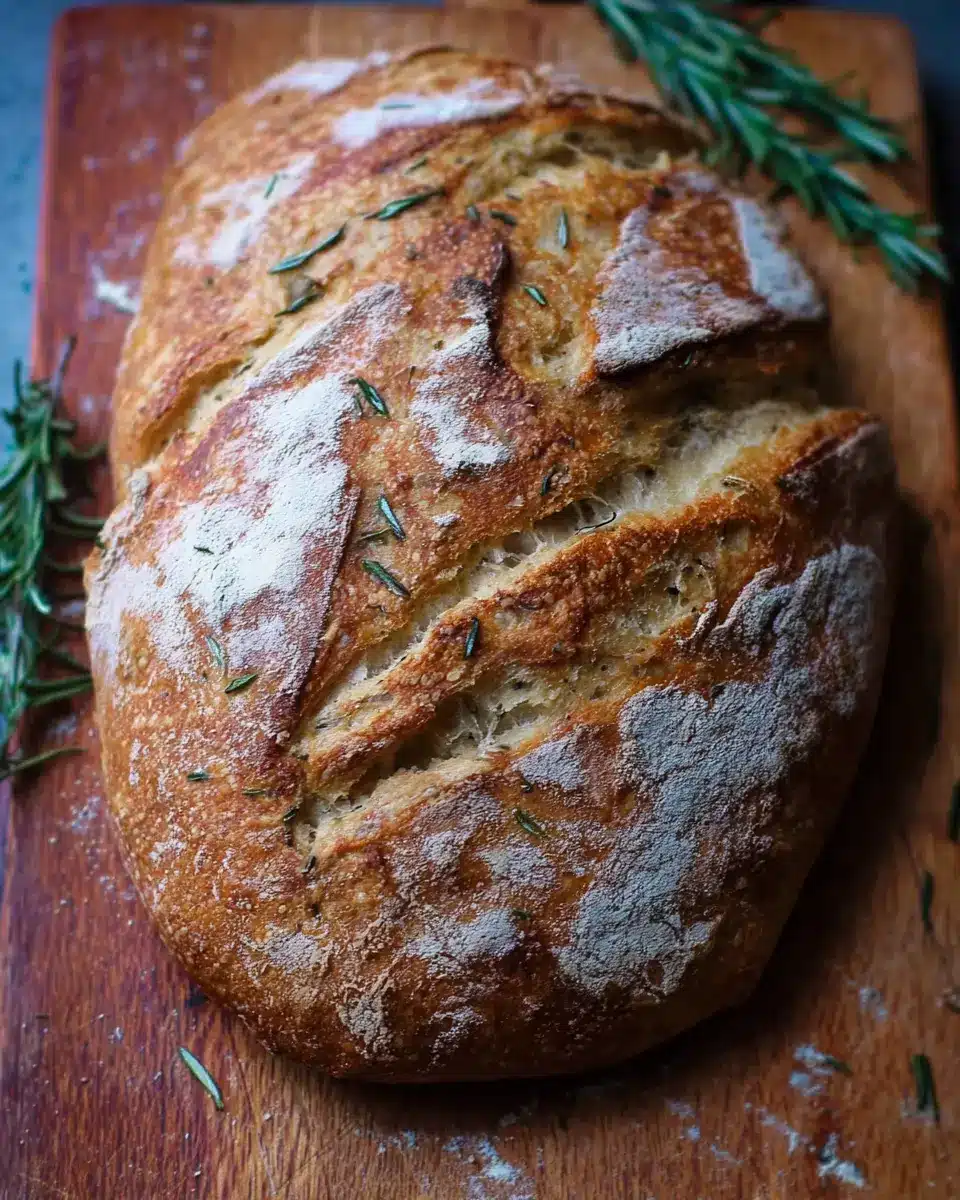
Ingredients for No Knead Italian Rosemary Sourdough Bread
Essential ingredients for the perfect loaf
Creating your no knead Italian rosemary sourdough bread is a straightforward and rewarding process. Start with these essential ingredients:
- Flour: You'll need 2 cups of unbleached all-purpose or bread flour along with ½ cup of whole-grain flour, providing that perfect texture.
- Salt: A fine kosher salt is crucial (½ tablespoon) to enhance flavor.
- Water: About 1 to 1.25 cups of room-temperature water, depending on your desired dough consistency.
- Sourdough starter: Make sure you have 1 cup of refreshed starter, which brings natural yeast to your bread.
- Fresh rosemary: Three stalks of this aromatic herb will infuse your loaf with delightful flavor.
- Cornmeal or polenta: A ¼ cup to help create a nice base for baking.
- Olive oil: One tablespoon will help in the dough preparation.
The role of fresh rosemary
Fresh rosemary isn't just a garnish; it plays a pivotal role in uplifting the flavor of your bread. Its earthy, fragrant profile complements the sourness of the dough beautifully. Not only does it add a burst of aroma to your no knead Italian rosemary sourdough bread, but it also offers potential health benefits, like improving digestion and acting as an antioxidant. So, don't skip this step! If you can, opt for the freshest rosemary you can find, as dried herbs simply won't provide the same depth of flavor.
By prioritizing these ingredients, you’re well on your way to baking a loaf that’s crispy on the outside and soft on the inside—perfect for any meal!
Step-by-step Preparation of No Knead Italian Rosemary Sourdough Bread
Making no knead Italian rosemary sourdough bread is not just about the ingredients; it's about the love and time you invest in each step. Let’s walk through the process together to ensure your loaf turns out perfectly!
Reviving Your Sourdough Starter
Start your journey two nights before baking. First, take your sourdough starter out of the fridge and let it come to room temperature. It's essential to stir it well to mix any liquid that may have separated on top. Measure out 1 cup of starter and add it to a bowl. Combine with 1 cup of water and 1.5 cups of flour. Mix until it resembles lumpy pancake batter. Cover loosely and let it sit overnight at room temperature.
On the following morning, refresh your starter with ¼ cup of water and ⅓ cup of flour. Repeat this once more in the evening. It will be ready when it bubbles and smells pleasantly yeasty!
Mixing the Dough
When your starter is bubbling and ready, gather your dry ingredients: 2 cups of flour, ½ cup of whole-grain flour, and salt. Stir these together in a large mixing bowl. Next, finely chop your fresh rosemary and add it to the mix. Now, pour in 1 cup of your revived starter and start adding water—beginning with 1 cup and adjusting as needed. Mix everything until it’s just incorporated, then beat the dough with vigor, about 40 strokes.
Fermenting the Dough
Next, transfer your dough to an oiled bowl or crockpot. Cover it with plastic wrap or a large plate and allow it to ferment at room temperature for 12 to 24 hours. You’ll know it’s ready when it’s bubbly and has risen substantially. (Tip: The ideal spot is a warm, draft-free area, like an oven that’s turned off.)
Shaping the Bread
After fermentation, flour your work surface generously. Gently scrape the dough out and swirl it with floured hands, folding it over itself 12-15 times to create a soft, non-sticky texture. Form it into a batard shape that measures around 10-12 inches long. Pinch the seams and ends to seal, creating a smooth surface.
Using a well-floured spatula, transfer it to a baking sheet lined with a kitchen cloth or parchment paper, cover it lightly, and let it rest for an additional 5 to 8 hours.
Preparing to Bake
About 30 minutes before baking, place a broiler pan on the bottom rack of your oven and preheat to 450°F. Remove the plastic wrap from your dough and, using a sharp knife, make a few slashes on the surface of your loaf—they allow steam to escape and create that beautiful crust.
Baking the Bread
Carefully take your hot baking sheet from the oven, cover it with parchment paper, and pepper some cornmeal on top. Using your dough scraper, gently slide the loaf onto the parchment-covered sheet. Return it to the oven, pour hot water into the broiler pan, and quickly close the door.
Bake for 27 to 30 minutes, being sure to mist the loaf with water a couple of times for that perfect crust. The bread is done when it’s golden brown. Let it cool on a wire rack before slicing into your incredible no knead Italian rosemary sourdough bread.
Now, enjoy the fruits of your labor—perfectly toasted with a smidge of vegan butter or jam. Happy baking!
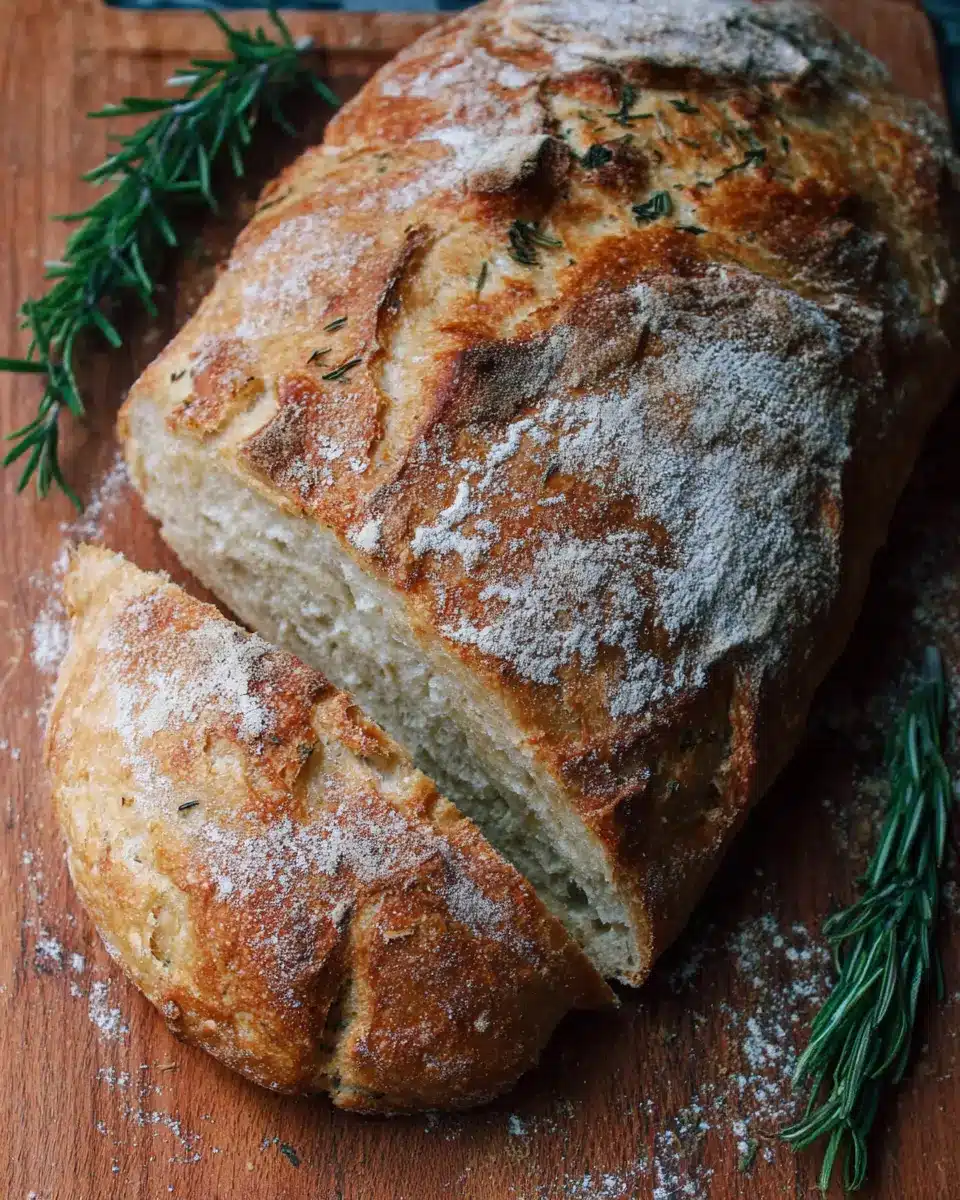
Variations on No Knead Italian Rosemary Sourdough Bread
Adding olives for a Mediterranean twist
Elevate your no knead Italian rosemary sourdough bread by incorporating olives. Black or green olives can add a delightful salinity and richness that complements the rosemary beautifully. Simply chop up about a cup of your favorite olives and fold them into the dough during the shaping phase. This variation not only gives your bread a lovely color but also adds a savory touch that’s perfect for dipping into olive oil or pairing with soup.
Experimenting with different herbs
The beauty of sourdough baking lies in its versatility. While rosemary lends a distinct flavor, you can try experimenting with other herbs as well. Consider using thyme, oregano, or even a mix of Italian seasonings for an aromatic experience. Just remember to adjust the amount used based on the intensity of the herb; fresh herbs may require more than dried ones. This creative freedom ensures each loaf is a new culinary adventure, allowing you to savor fresh taste combinations that can impress your dinner guests!
Baking Tips and Notes for No Knead Italian Rosemary Sourdough Bread
Importance of Patience in Sourdough
When it comes to baking no knead Italian rosemary sourdough bread, patience is your best friend. The fermentation process can take anywhere from 12 to 24 hours. This time allows the flavors to develop and the gluten to form naturally, resulting in that delightful texture we all crave. If you're feeling impatient, remember that good things come to those who wait.
Troubleshooting Common Issues
Have you encountered issues while baking your sourdough? Here are some quick solutions:
- Dough too dry: Start with a lower amount of flour or add a little more water as needed.
- Dense bread: Ensure your sourdough starter is active and fed properly. Reviving it for two days is crucial.
- Flat loaf: Allow for adequate rising time. Like a craft, give your dough the room to breathe and expand.
For further guidance, consider checking out resources like The Perfect Loaf or King Arthur Baking for expert insights! Happy baking!
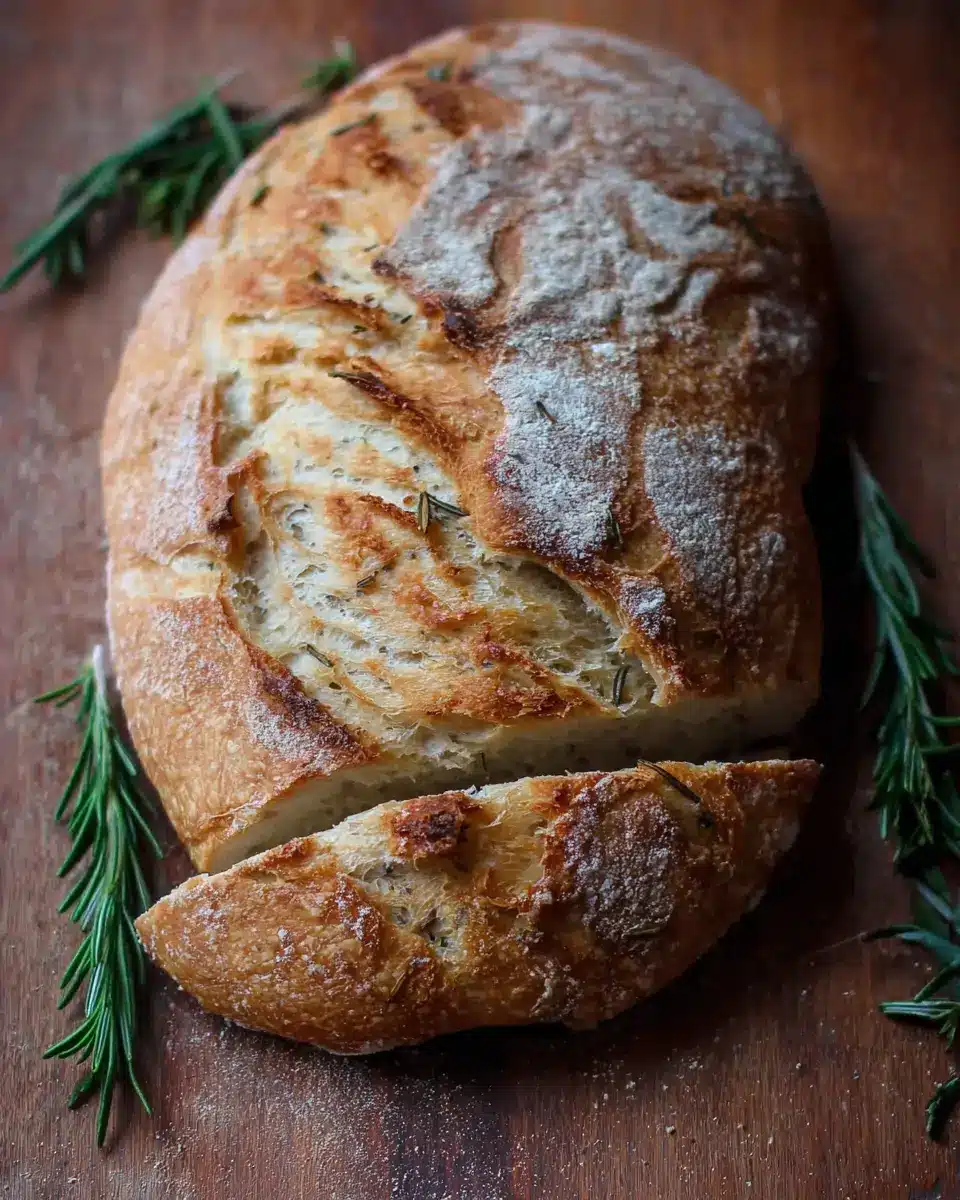
Serving Suggestions for No Knead Italian Rosemary Sourdough Bread
Best Accompaniments for Your Homemade Bread
Enjoy your no knead Italian rosemary sourdough bread fresh out of the oven, perhaps with a drizzle of olive oil for dipping. It pairs beautifully with:
- Vegan pesto or sun-dried tomato spread for a flavor-packed bite
- Hummus for a wholesome and savory snack
- A selection of vegan cheeses, showcasing flavors like garlic herb or smoky cashew
The aromatic rosemary infuses your dish with a delightful taste, making it perfect for any occasion.
Creative Ways to Use Leftover Bread
Don’t let leftover bread go to waste! Here are some fun ideas:
- Croutons: Toast cubes with olive oil and seasonings for salads.
- Bread pudding: Transform stale bread into a sweet or savory pudding.
- Bruschetta: Top slices with cherry tomatoes, basil, and balsamic vinegar for a classic appetizer.
Your no knead Italian rosemary sourdough bread only gets better with creativity, so explore your options!
For more detailed recipes, check out BBC Good Food for inspiration.
Time Breakdown for No Knead Italian Rosemary Sourdough Bread
Understanding the timing for your no knead Italian rosemary sourdough bread can make all the difference in achieving the perfect loaf. Here’s a quick overview to guide you through the process:
Preparation Time
Plan for approximately 2 days to prepare the dough. This includes reviving your sourdough starter, which makes all the difference in flavor!
Rise Time
Allow 12 to 24 hours for the first rise. This is where the magic happens, as the dough ferments and develops that lovely airy texture.
Baking Time
Set aside about 30 minutes for baking. This will give you a luscious crust and that golden finish that we all crave in a good bread.
By breaking down the time effectively, not only will you enjoy the process of making your Italian rosemary sourdough, but you'll also end up with a result that's truly worth the wait! For more tips on bread-making, you can check out resources like the King Arthur Baking Company and Breadtopia.
Nutritional Facts for No Knead Italian Rosemary Sourdough Bread
When diving into the delicious realm of no knead Italian rosemary sourdough bread, understanding its nutritional profile is key. Here’s a quick breakdown to keep you informed.
Calories
A single loaf contains approximately 1488 calories, making it a hearty addition to your meals. Perfect for sharing or stocking up for the week!
Protein
With about 48 grams of protein, this bread is a fantastic option for those looking to add more plant-based protein to their diet. It’s an excellent pairing for your favorite soups or salads, boosting both flavor and nutrition.
Fiber
This loaf packs in around 18 grams of fiber, promoting digestive health and keeping you full longer. Incorporating fiber-rich foods like this sourdough bread can be an enjoyable way to maintain a balanced diet.
For more insights into the nutritional benefits of sourdough, check out Nutrition.gov for expert resources on whole grains and healthy eating!
FAQs about No Knead Italian Rosemary Sourdough Bread
How can I tell if my sourdough starter is ready?
To check if your sourdough starter is ready for your no knead Italian rosemary sourdough bread, look for bubbles on the surface and a pleasant, tangy aroma. Another telltale sign? Drop a spoonful of the starter in a glass of water; if it floats, it’s a go! If not, give it a little more time and refresh it again.
Can I use whole wheat flour instead of all-purpose flour?
Absolutely! While the original recipe calls for all-purpose flour, using whole wheat flour can add a nutty flavor and a bit more nutrition to your bread. Just be prepared for a denser loaf, and consider mixing it with some all-purpose flour for the best results.
What’s the best way to store homemade sourdough bread?
To keep your no knead Italian rosemary sourdough bread fresh, wrap it in a clean kitchen towel or place it in a paper bag at room temperature. This helps maintain the crust's crispiness. For longer storage, you can slice and freeze it—just pop slices in the toaster when you're ready to enjoy!
For expert baking tips, you might check out resources like King Arthur Baking or Baker's Journal.
Conclusion on No Knead Italian Rosemary Sourdough Bread
In summary, no knead Italian rosemary sourdough bread is a rewarding baking project that combines simplicity with the incredible flavors of fresh rosemary. With minimal effort and a little patience, you’ll enjoy a crispy, golden loaf bursting with aroma. Slice it for sandwiches or serve it as a delightful side, enhancing any meal!
For more baking inspiration, check out this sourdough bread guide or explore expert tips on how to perfect your bread baking skills. Embrace the joy of homemade bread!
No Knead Italian rosemary sourdough bread (Vegan)
Equipment
- Baking sheet
- pizza stone
- mixing bowls
- Bench scraper
Ingredients
Main Ingredients
- 2 cups unbleached all-purpose or bread flour plus more for dusting
- ½ cup whole-grain flour
- ½ tablespoon fine kosher salt
- 1-1.25 cups room-temperature water start with one cup and add up to another quarter depending on dryness of dough
- 1 cup prepared and fed sourdough starter instructions on how to prepare your starter in recipe body
- 3 stalks fresh rosemary or about ⅛ of a cup
- ¼ cup cornmeal or polenta
- AP flour for dusting
- 1 tablespoon olive oil
- 2 cups hot water for broiler pan
For reviving starter
- 1.5 cups water 380g
- 2.16 cups all purpose flour 325g
Instructions
Revive the starter
- Two nights before you're planning to bake your bread, revive your starter: remove starter from fridge and let come to room temperature. Stir the starter well to recombine any liquid that may have gathered on the top. Measure out 1 cup of starter.
- Place 1 cup starter in a large jar, bowl, or container, add 1 cup (250g) of water and 1.5 cups (225g) of flour and mix until combined. The mixture will be lumpy, like pancake batter. Cover loosely with plastic wrap and keep at room temperature overnight.
- Refresh it once more in the morning with ¼ cup (65g) water and ⅓ cup (50g) flour, and once again that night with the same quantities (¼ cup (65g) water and ⅓ cup (50g) flour). The starter will be ready to use at night, or the next morning, when it bubbles and smells yeasty.
- You will need 1 cup of refreshed starter.
Prep the bread
- When ready to bake, chop rosemary finely. Dump the bread flour and whole-grain flour into a mixing bowl, and stir with a wooden spoon to combine well. Add salt and chopped rosemary, and stir to combine.
- Pour in the water and starter and stir together until just moistened. Beat 40 strokes, scraping the bottom and the sides of the bowl, until the dough forms a thick, spongy mass.
- Transfer dough to an oiled crockpot or an oiled large glass bowl. Cover the bowl with plastic wrap or a large plate and let ferment at room temperature for 12 to 24 hours, or until the dough is bubbly on the surface, has a sponge-like appearance and has either doubled or risen by half.
- Use right away or place the bowl, covered with plastic wrap, in the refrigerator for up to three days.
- When dough is ready, place it on a generously floured surface and dust with more flour. Flour your hands. Using a dough scraper or floured hands, scrape the dough up and over itself, flouring and turning it as you go, for 12 to 15 turns, or until dough is soft and not sticky. Dust very lightly with flour.
- With floured hands, work the dough as little as possible and form it into a wide 10-12 inch batard. Pinch the ends and all seams closed, and lightly flour sticky spots. The dough should be smooth and soft, and not sticky. If sticky, add a bit more flour.
- Prepare a baking sheet or cutting board. Line it with a clean kitchen cloth, or parchment paper, and dust it with flour. Without moving your batard too much, use a dough scraper or well-floured hands to slide your dough onto the floured surface.
- Cover the dough with plastic wrap sprayed with oil, oily side down. Let rest at room temperature for 5 to 8 hours.
Bake the bread
- About 30 minutes before baking, place a broiler pan on the bottom rack of the oven. Preheat oven to 450F.
- Remove plastic wrap from batard. Using a sharp knife, make three to five crosshatch slashes diagonally across the top of the loaf.
- Very carefully and wearing oven mitts, remove the hot baking sheet from the oven, and cover with parchment paper. Sprinkle the cornmeal on the paper. Using the dough scraper and well-floured hands, slide the bread from the pan onto the baking sheet, taking care to keep its shape.
- Pull lower rack of the oven halfway out, and pour 2 cups of hot water into the broiler pan. Spray batard with water, but take care not to drench it. Return rack into the oven, and close oven door immediately.
- Bake for 27 to 30 minutes, lightly spraying the loaf with water three times during baking. The bread will be ready when crust is golden-brown. Remove baking sheet from the oven, and, wearing kitchen gloves, remove bread onto wire rack to cool.



Leave a Reply