
Introduction to Traditional Gyro Meat
Why Homemade Gyro Meat is a Game Changer
If you’ve ever experienced the delight of biting into a perfectly crafted gyro, you know just how incredible this dish can be. But have you tried making traditional gyro meat at home? Trust me, it's a game changer! The flavors of homemade gyro meat far surpass anything you’ll find at the average takeout joint. When you make it yourself, you have full control over the quality and freshness of the ingredients.
Moreover, creating gyro meat at home allows you to customize it to your taste. Want extra garlic? Go for it! Prefer a healthier blend? You can experiment with different meats or spices. Plus, the aroma that fills your kitchen as it cooks will have your neighbors wondering what you're up to.
Many people avoid making gyro meat due to the perceived complexity. However, the process is easier than it seems—most of the time is just letting the meat rest, which means you can multitask and prep all your favorite toppings like tzatziki, fresh tomatoes, and crisp lettuce. So, grab your apron, and let’s dive into the journey of creating delicious traditional gyro meat that will impress your family and friends!
For tips on honing your culinary skills, you might check out resources like Serious Eats for expert advice.
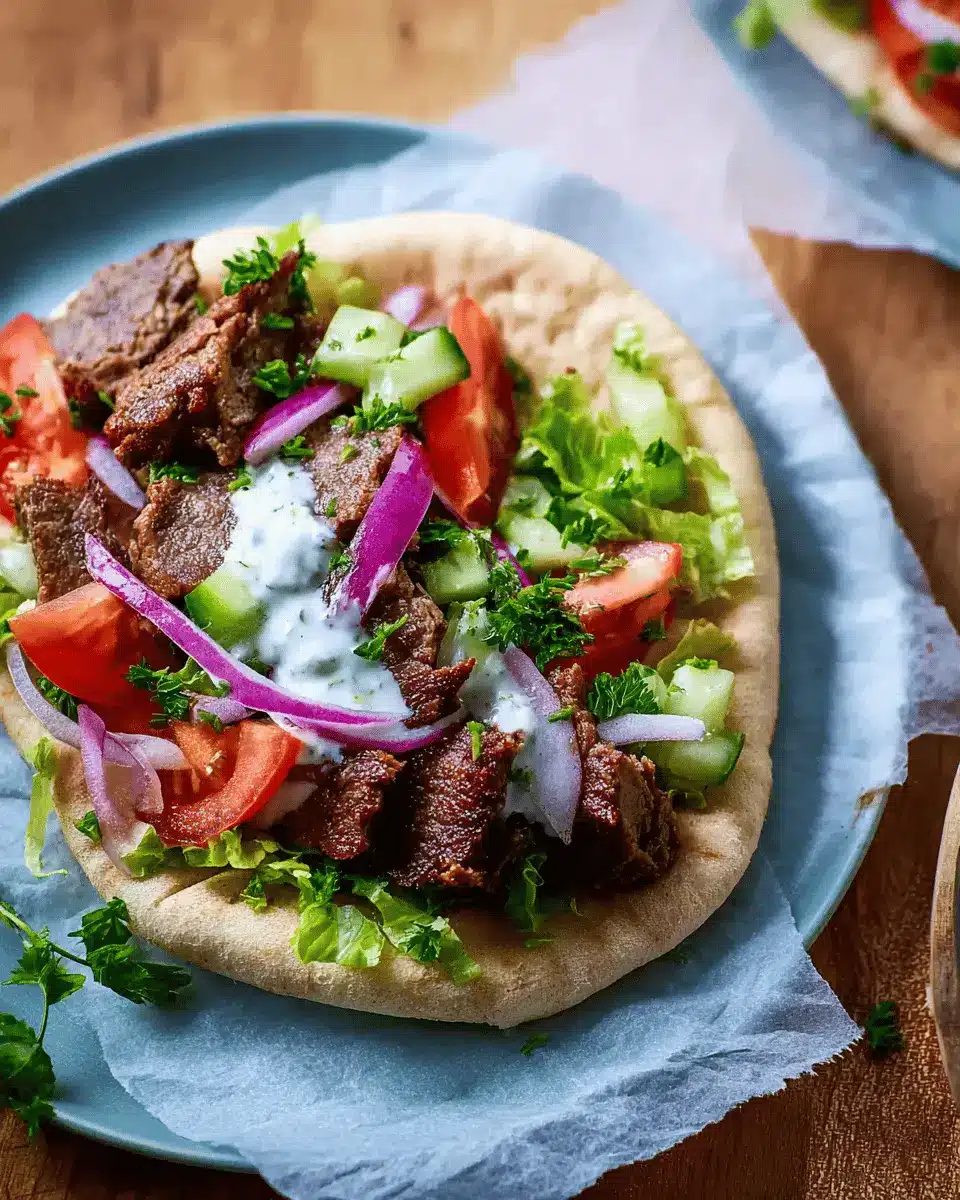
Ingredients for Traditional Gyro Meat
The essential ingredients for authentic flavor
To create traditional gyro meat that captures the essence of Mediterranean cuisine, you'll need a blend of high-quality ingredients. The key components include:
- Ground meat: A mix of lamb and beef gives the gyro its rich flavor and texture.
- Onion and garlic: These aromatics add depth and balance, making every bite flavorful.
- Herbs and spices: Don't skimp on oregano, cumin, marjoram, rosemary, thyme, and black pepper. They contribute to the authentic taste you crave.
These ingredients work together to create a savory and aromatic meatloaf that slices beautifully for your gyros.
Substitutions for dietary preferences
If you're exploring alternatives based on your dietary needs, consider these substitutions:
- Ground lamb: You can replace this with ground turkey or chicken for a lighter option.
- Beef: For a leaner twist, use ground turkey instead.
- Herbs: Fresh herbs can replace dried ones; use three times the amount for freshness.
Feel free to adjust according to your palate while maintaining the heart of traditional gyro meat.
Preparing Traditional Gyro Meat
Making traditional gyro meat at home is not just a rewarding culinary journey; it's a delicious experience that brings the taste of the Mediterranean right into your kitchen! Let's dive into the preparation steps so you can enjoy this delightful dish, perfect for your next gathering or simple dinner at home.
Gather your ingredients
To start, make sure you have all the ingredients ready. Here's what you'll need:
- ½ medium onion, cut into chunks
- 1 pound ground lamb
- 1 pound 80/20 ground beef
- 1 tablespoon minced garlic
- 1 teaspoon dried oregano
- 1 teaspoon ground cumin
- 1 teaspoon dried marjoram
- 1 teaspoon ground dried rosemary
- 1 teaspoon ground dried thyme
- 1 teaspoon ground black pepper
- 1½ teaspoons fine sea salt
- Cooking spray
It may help to have a good quality food processor on hand for some of the steps, as it will streamline the onion processing and meat mixing.
Process the onion
Next, let’s get that onion ready! Toss the chunks into your food processor and pulse them until they’re finely chopped — about five quick pulses should do the trick. After that, you'll want to remove excess moisture. Grab a clean kitchen towel, scoop the chopped onions into its center, and squeeze out the liquid. This step is crucial because excess moisture can affect the texture of your traditional gyro meat.
Mix the meat and spices
Now comes the fun part! In a large bowl, combine the processed onions, lamb, beef, minced garlic, and your spice blend (oregano, cumin, marjoram, rosemary, thyme, black pepper, and sea salt). I love mixing everything with my hands; it helps ensure that the spices are evenly distributed. Once everything is combined, cover the bowl and let it chill in the refrigerator for 1 to 2 hours. This resting period allows the flavors to meld beautifully, yielding a more aromatic and flavorful meat.
Shape the meat mixture into a loaf
After the resting time, preheat your oven to 325°F (165°C). If you have a food processor, work in batches to pulse the meat mixture until it’s finely chopped and tacky — you’re looking for a texture that will help hold the loaf together. Once prepped, transfer the mixture into a greased loaf pan, packing it down to eliminate any air pockets.
Bake in the water bath
To ensure your traditional gyro meat bakes evenly and stays moist, we’ll employ a water bath. Place a damp kitchen towel in a medium roasting pan, set your loaf pan on top, and carefully pour boiling water into the roasting pan until it reaches halfway up the sides of the loaf pan. This method provides gentle heat and keeps the meat juicy. Bake for about 1 hour to 1 hour and 25 minutes until the center reaches a safe temperature of at least 160°F (70°C).
Once done, allow it to cool slightly before slicing—serving it thin with fresh pita, tzatziki, and tomatoes for an authentic experience. Enjoy your homemade traditional gyro meat!
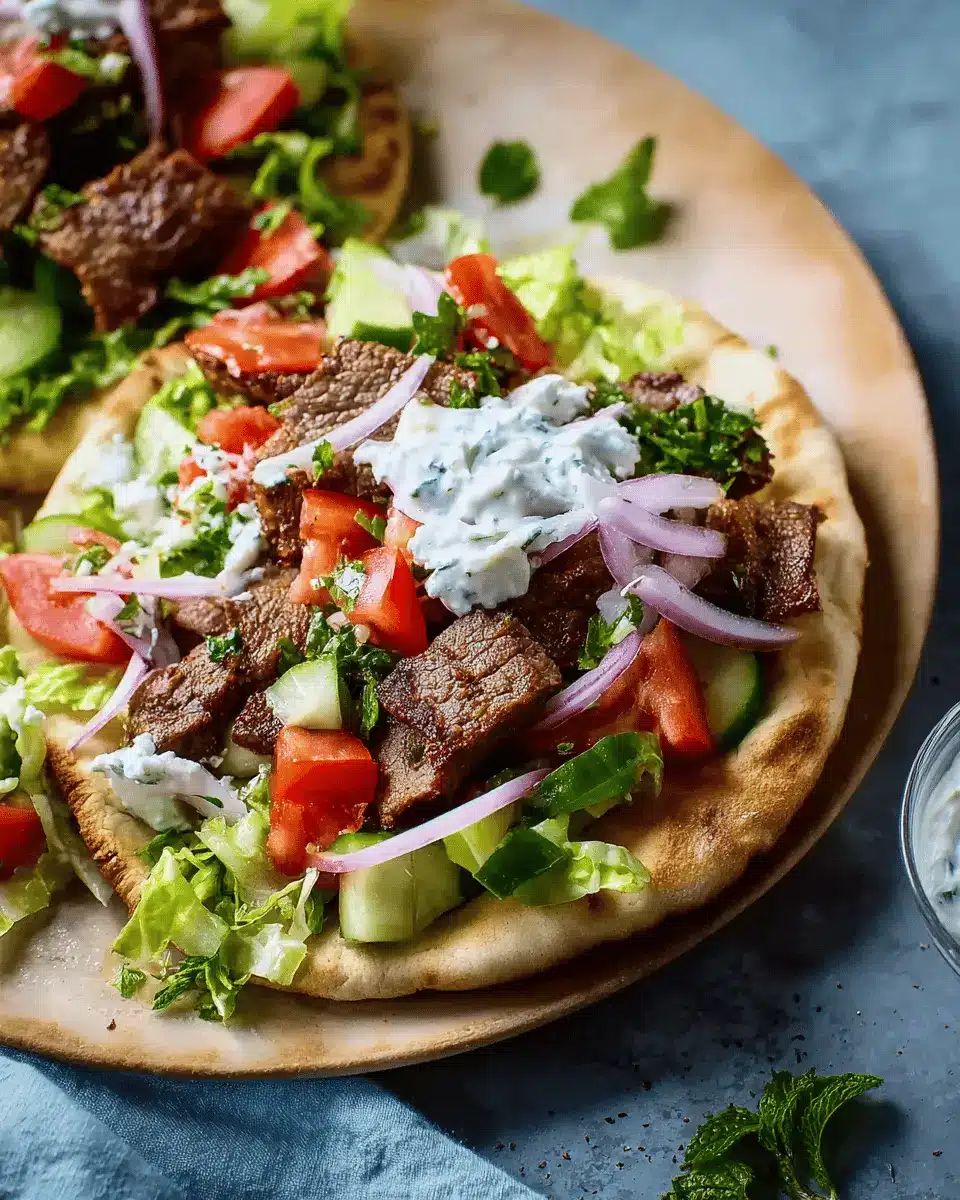
Variations on Traditional Gyro Meat
Lamb vs. Beef Variations
When it comes to traditional gyro meat, you can easily customize the proteins to fit your taste. While lamb is a classic choice, mixing ground beef with lamb creates a hearty blend that many enjoy. If you prefer a leaner option, consider using turkey. Turkey gyro meat can offer a lighter take without sacrificing the beloved Mediterranean flavors.
Herb Swaps for Personalized Flavor
The beauty of traditional gyro meat lies in its flexibility with seasonings. Experiment with herbs such as fresh parsley or mint to add a bright note to your dish. For a kick, try swapping in smoked paprika or crushed red pepper flakes for a touch of heat. The key is to personalize the flavors until you find what resonates with your palate—cooking should always be a reflection of your tastes!
If you're looking for inspiration, check out this article on seasoning variations for more ideas!
Cooking Notes for Traditional Gyro Meat
Tips for Achieving the Perfect Texture
Creating the ideal traditional gyro meat involves focus on texture and moisture. Here are some essential tips:
- Grind the Meat: Finely chop or pulse the meat mixture in your food processor until it feels sticky. This helps in binding and achieving that classic gyro density.
- Moisture Matters: Make sure to squeeze out excess onion liquid before mixing. Too much moisture can lead to a loose texture, while too little will result in a dry loaf.
- Resting Time: Allow the mixture to chill in the fridge for at least an hour before cooking. This resting time helps the flavors meld while enhancing the gyro meat's overall cohesiveness.
By following these steps, you’ll be well on your way to elevating your homemade gyros to new heights! For more tips on meat preparation, consider checking resources like Food Network.
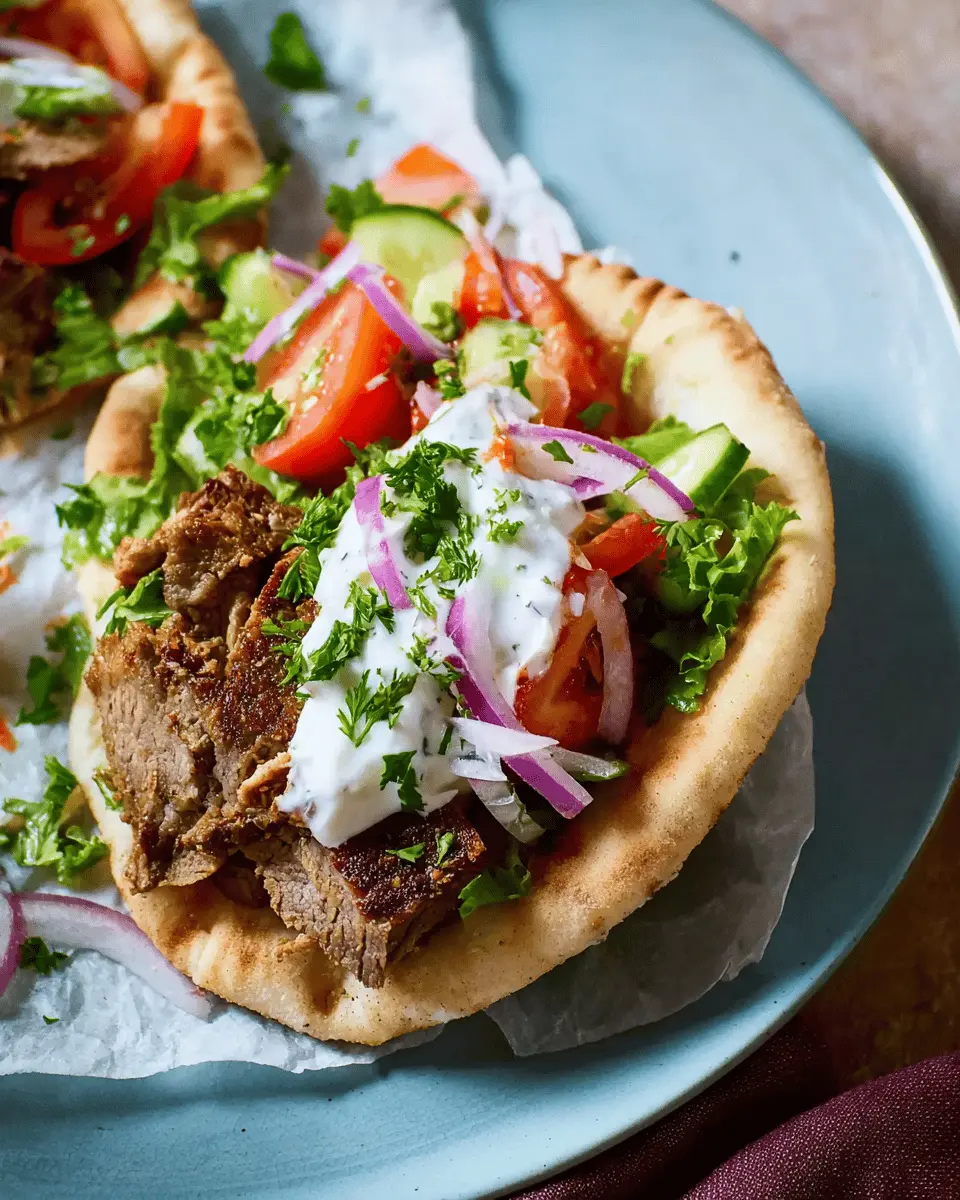
Serving suggestions for Traditional Gyro Meat
Pairing with traditional accompaniments
To elevate your traditional gyro meat, consider classic accompaniments like warm, fluffy pita bread, a refreshing cucumber and yogurt tzatziki sauce, and fresh toppings such as sliced tomatoes, onions, and lettuce. You could also add pickled vegetables for that delightful crunch. For a well-rounded meal, serve your gyros alongside a Greek salad or a side of crispy lemon potatoes. These additions not only enhance the flavors but are perfect for sharing. Check out this tzatziki recipe for a delicious dip.
Creative serving ideas
Feeling adventurous? Try serving traditional gyro meat as a filling for lettuce wraps for a low-carb twist. Alternatively, you could shred the meat and mix it into a grain bowl with quinoa or couscous, topped with avocado and a drizzle of lemon juice. For a fun appetizer, roll small pieces of the meat in phyllo pastry to make savory bites. The possibilities are endless—just let your culinary imagination soar!
Time Breakdown for Traditional Gyro Meat
Preparation Time
Getting started on your traditional gyro meat doesn't take long! You'll need about 15 minutes to gather your ingredients and prepare the meat mixture.
Cooking Time
Next comes the cooking, which takes approximately 1 hour. This is the time your loaf will spend in the oven, creating those unforgettable Mediterranean flavors.
Total Time
When you combine preparation and cooking, the total time to enjoy your delicious gyro meat is just 2 hours and 15 minutes. The majority of this time includes resting, allowing you to dive into other tasks. Perfect for busy cooks!
For more cooking tips, check out this great resource on prepping meals in advance. And if you're curious about the cultural significance of gyros, you may enjoy learning about their history here.
Nutritional Facts for Traditional Gyro Meat
When indulging in traditional gyro meat, it’s good to be mindful of its nutritional profile. Here are key highlights:
Calories
Each serving of this delicious gyro meat contains approximately 258 calories. It's a satisfying option for those looking for a hearty meal without going overboard on caloric intake.
Protein
With about 24 grams of protein per serving, traditional gyro meat is an excellent choice for muscle recovery and keeping you full through your busy day.
Sodium
Keep in mind that with 396 mg of sodium, it's best to enjoy gyro meat in moderation, especially if you're watching your salt intake. Pair it with fresh veggies for a balanced meal.
For more insights on healthy eating, check out the USDA's dietary guidelines here.
FAQs about Traditional Gyro Meat
Can I make traditional gyro meat ahead of time?
Absolutely! Preparing traditional gyro meat ahead of time is not only possible but also convenient. You can follow the recipe, letting the meatloaf rest in the refrigerator for a day or more before baking. This allows the flavors to meld beautifully. Once baked, you can slice it and store it in an airtight container for about 3-4 days.
What’s the best way to store leftovers?
To keep your gyro meat fresh, a well-sealed container in the refrigerator is ideal. Alternatively, if you have a larger batch, consider freezing individual slices. Wrap them in plastic wrap or foil, and place them in a freezer bag. They can last up to three months in the freezer. Just reheat in a skillet for a quick meal!
How can I ensure my gyro meat turns out juicy?
To achieve juicy traditional gyro meat, keep a few things in mind:
- Use a blend of ground lamb and beef for optimal flavor and moisture.
- Make sure not to over-process the meat mixture; a little texture can help retain juices.
- Baking in a water bath, as described in the recipe, helps maintain moisture during cooking.
For more tips on cooking meats, check out resources from The USDA. Enjoy your gyros!
Conclusion on Traditional Gyro Meat
Exploring the world of traditional gyro meat is a culinary adventure that brings Mediterranean flavors into your kitchen. This homemade recipe not only captures the essence of authentic gyros but also allows you to customize your ingredients. Serve it up in warm pita with tzatziki for a true taste of Greece!
Traditional Gyro Meat
Equipment
- Food Processor
- loaf pan
- Roasting Pan
- kitchen towel
Ingredients
- 0.5 medium onion, cut into chunks
- 1 pound ground lamb
- 1 pound 80/20 ground beef
- 1 tablespoon minced garlic
- 1 teaspoon dried oregano
- 1 teaspoon ground cumin
- 1 teaspoon dried marjoram
- 1 teaspoon ground dried rosemary
- 1 teaspoon ground dried thyme
- 1 teaspoon ground black pepper
- 1.5 teaspoons fine sea salt
- cooking spray
Instructions
- Gather all ingredients.
- Pulse onion in a food processor until finely chopped, about 5 (1-second) pulses. Scoop onions onto the center of a towel, gather up the towel ends, and squeeze to remove liquid.
- Combine onions, lamb, beef, garlic, oregano, cumin, marjoram, rosemary, thyme, pepper, and salt in a large bowl. Mix with your hands until well combined. Cover and refrigerate 1 to 2 hours to allow the flavors to blend. Preheat the oven to 325 degrees F (165 degrees C). Evenly coat a 9x5-inch loaf pan with cooking spray.
- Working in 2 batches if necessary, place meat mixture into a food processor and pulse until finely chopped and the texture feels tacky, about 1 minute.
- Transfer mixture into prepared loaf pan, and pack down to make sure there are no air pockets. Line a medium roasting pan with a damp kitchen towel. Place the loaf pan in the center of the towel-lined roasting pan, and transfer it into the preheated oven. Carefully pour boiling water into the roasting pan until it comes halfway up the sides of the loaf pan.
- Bake in the preheated oven until gyro meat is no longer pink in the center, about 1 hour to 1 hour 25 minutes. An instant-read thermometer inserted into the center should read at least 160 degrees F (70 degrees C).
- Pour off any accumulated fat, and allow to cool slightly before slicing thinly and serving.
- Serve and enjoy!



Leave a Reply