
Introduction to Thai Mango Sticky Rice
When it comes to delicious homemade desserts, Thai Mango Sticky Rice shines as a star. Imagine lush, sweet mango slices nestled on a bed of warm, sticky rice blanketed in creamy coconut milk. This delightful treat captures the essence of Thailand in every bite, making it a favorite among dessert lovers around the world.
But why is mango sticky rice the perfect choice for your next homemade dessert? Firstly, it's surprisingly easy to make, even if you consider yourself a beginner in the kitchen. With just a handful of ingredients, you can recreate this iconic dish right at home, evoking memories of bustling street markets in Bangkok.
The combination of flavors is simply irresistible. The sweetness of fresh mangoes pairs beautifully with the rich and creamy coconut rice, creating an incredible balance that will have your taste buds dancing. Plus, it’s a versatile dish—feel free to add a twist by incorporating ube or toasted coconut on top for added texture and flavor.
If you're ready to impress family and friends or treat yourself to something special, dive into our full recipe for this classic dessert, and bring a slice of Thailand into your kitchen! For more on the cultural significance of mango sticky rice, check out this article on Thai desserts.
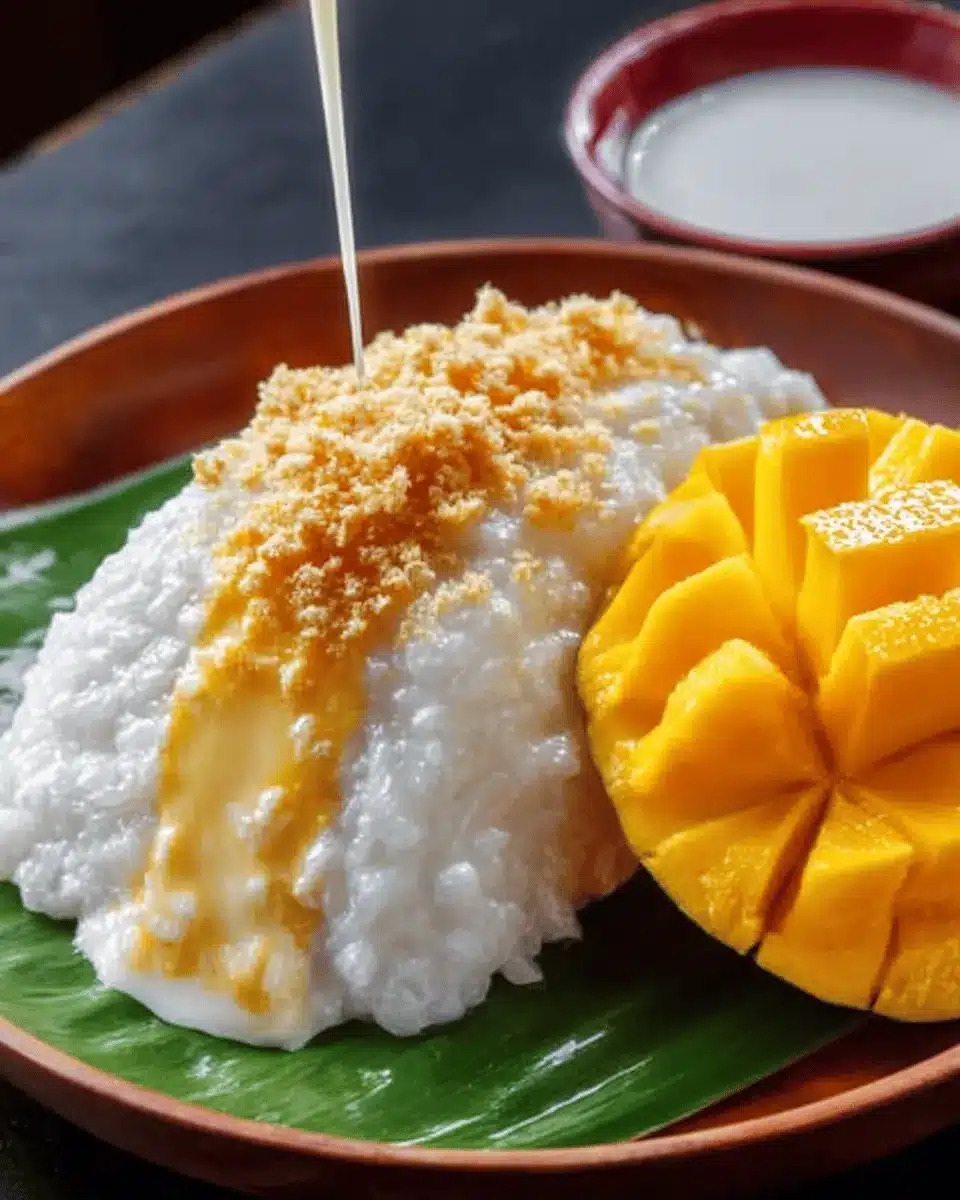
Ingredients for Thai Mango Sticky Rice
Essential ingredients
When it comes to making mango sticky rice, the right ingredients are key to achieving that creamy, sweet perfection. Here’s what you’ll need:
- 1 cup dry glutinous rice - This special rice gives the dish its signature sticky texture. Make sure to soak it overnight for the best results.
- 1 cup full-fat coconut milk - The heart of your dish, adding rich creaminess. Using full-fat coconut milk provides the best flavor.
- 3-4 tablespoon granulated sugar - This adds just the right amount of sweetness. You can adjust to taste based on your mango's ripeness.
- ½ teaspoon sea salt - Helps balance the sweetness and enhances the flavor profile.
- 2 large ripe mangoes - Freshness is key here! Look for sweet, ripe mangoes for the best flavor.
Optional flavor variations
While the traditional recipe is delightful, consider these optional ingredients for a fun twist on your mango sticky rice:
- 3-4 tablespoon ube halaya or spread - For a unique purple twist, mix in some ube, adding a lovely color and flavor.
- 2-3 drops ube extract - If you want a more intense ube flavor, this is a great addition.
- Toasted coconut for topping - A little crunch can elevate your dessert beautifully.
Feel free to explore and adapt! Enjoy making this iconic dish that brings a taste of Thailand right to your kitchen.
Step-by-Step Preparation of Thai Mango Sticky Rice
Creating a delightful dish like Thai Mango Sticky Rice might seem like a culinary challenge, but trust me, it’s simpler than you think! This classic dessert melds the sweet and creamy flavors of coconut with succulent mangoes, making it perfect for gatherings or a sweet treat after dinner. Let’s dive right into the process!
Prepare the glutinous rice
First, you’ll want to use glutinous rice, as it’s key to achieving that signature chewy texture. Rinse the rice 3-4 times in cold water until it runs almost clear to remove excess starch. Then, soak the rice in water for about 8-24 hours. If you can plan ahead, an overnight soak is ideal for the best results. Once soaked, drain the water and set aside.
Tip: If you’re curious about why glutinous rice is so essential, check out this guide that explains its unique properties.
Steam the rice to perfection
Next, it's time to steam the rice. Place the soaked rice in a bamboo steamer lined with parchment paper to prevent sticking. Steam it for about 20-25 minutes. The rice should turn slightly translucent and remain chewy. Steaming is crucial — it promotes even cooking without making the rice mushy.
Create the coconut mixture
While the rice is steaming, prepare a coconut mixture that will elevate your mango sticky rice. In a saucepan, heat the coconut milk, adding in granulated sugar and a pinch of sea salt. Bring this mixture to a gentle simmer. Stir until all the sugar dissolves, creating a smooth and creamy sauce. If you're feeling adventurous, you can mix in some ube spread for an extra layer of flavor.
Whip up the coconut sauce
In a separate small pot, you’ll want to make a delicious coconut sauce for drizzling on top. Combine another portion of coconut milk with sugar, stirring until it’s heated through. To thicken it slightly, create a cornstarch slurry by mixing cornstarch with some room temperature water, then add it to the coconut mixture. Continue cooking until it thickens for a luxurious drizzle over your dessert.
Assemble with ripe mangoes
Now for the fun part! Take two large ripe mangoes and slice them into ¼-inch thick strips after peeling. To assemble your masterpiece, portion the warm coconut rice onto serving plates, arrange the mango slices beautifully on the side, and drizzle the coconut sauce over everything.
Tip: For a finishing touch, sprinkle some toasted coconut or sesame seeds on top for added crunch and flavor.
Enjoy this exquisite dish warm or at room temperature, and you're in for a tropical treat that transports your taste buds straight to Thailand!
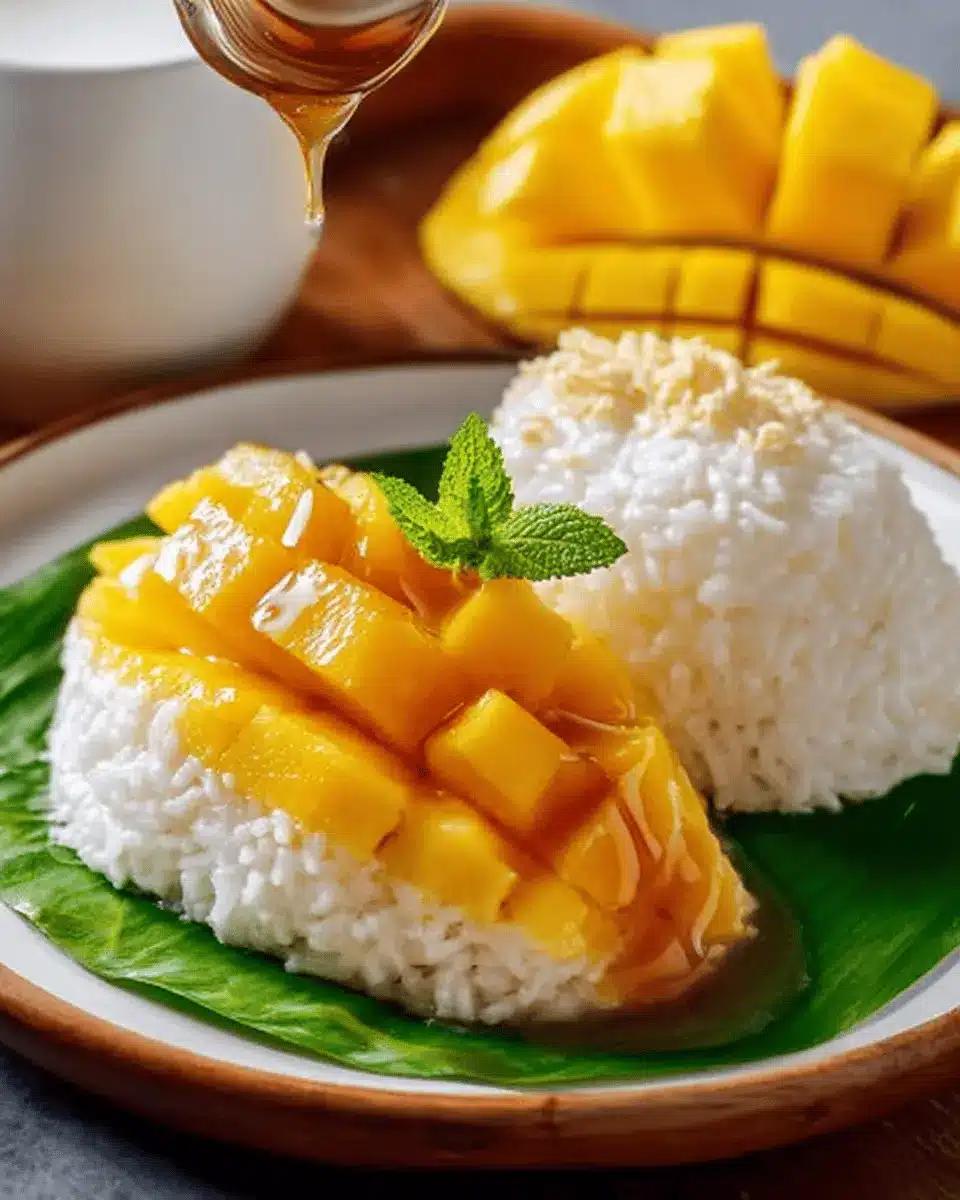
Variations on Thai Mango Sticky Rice
Classic vs. Ube-Infused Mango Sticky Rice
While the classic mango sticky rice captures the essence of Thai street food with its sweet coconut rice and ripe mango, why not infuse it with something unique? Enter ube, the vibrant purple yam that adds a delightful flavor and eye-catching twist. The combination of ube halaya and the traditional coconut milk creates an indulgent experience that surprises and delights the palate. Whether you're a purist or an adventurous foodie, this variation is a must-try!
Different Tropical Toppings to Try
Elevate your mango sticky rice game by experimenting with tropical toppings! Consider adding:
- Toasted sesame seeds for a nutty crunch
- Chopped fresh mint to add a refreshing herbal note
- Passion fruit pulp for a tangy zing
- Crispy shredded coconut for extra texture
- Mango puree drizzled on top for a fruit-forward take
Feel free to mix and match these toppings to create your perfect dessert. Exploring variations keeps the dish exciting, and you might discover your new favorite way to enjoy this classic treat!
Cooking Tips and Notes for Thai Mango Sticky Rice
Ensuring perfect coconut rice texture
To achieve that delectable sticky and chewy texture, always soak your glutinous rice overnight—it's crucial. If you're in a pinch, aim for a minimum of 4 hours, but keep in mind this may require a longer steaming time. When steaming, it's essential that the grains stay slightly translucent, indicating they're perfectly cooked. A bamboo steamer works wonders for even cooking, while parchment paper helps prevent sticking.
Storing and reheating leftovers effectively
If you find yourself with leftover mango sticky rice, you can store it in the fridge for up to two days. Just remember that the coconut rice can harden when chilled. To revive its original texture, sprinkle a little water over the rice in a microwave-safe container, cover it, and heat for 30-45 seconds. This steaming method ensures you enjoy that deliciously creamy rice just like when you first made it!
For more tips about cooking with coconut milk, check out this informative guide on coconut milk varieties.
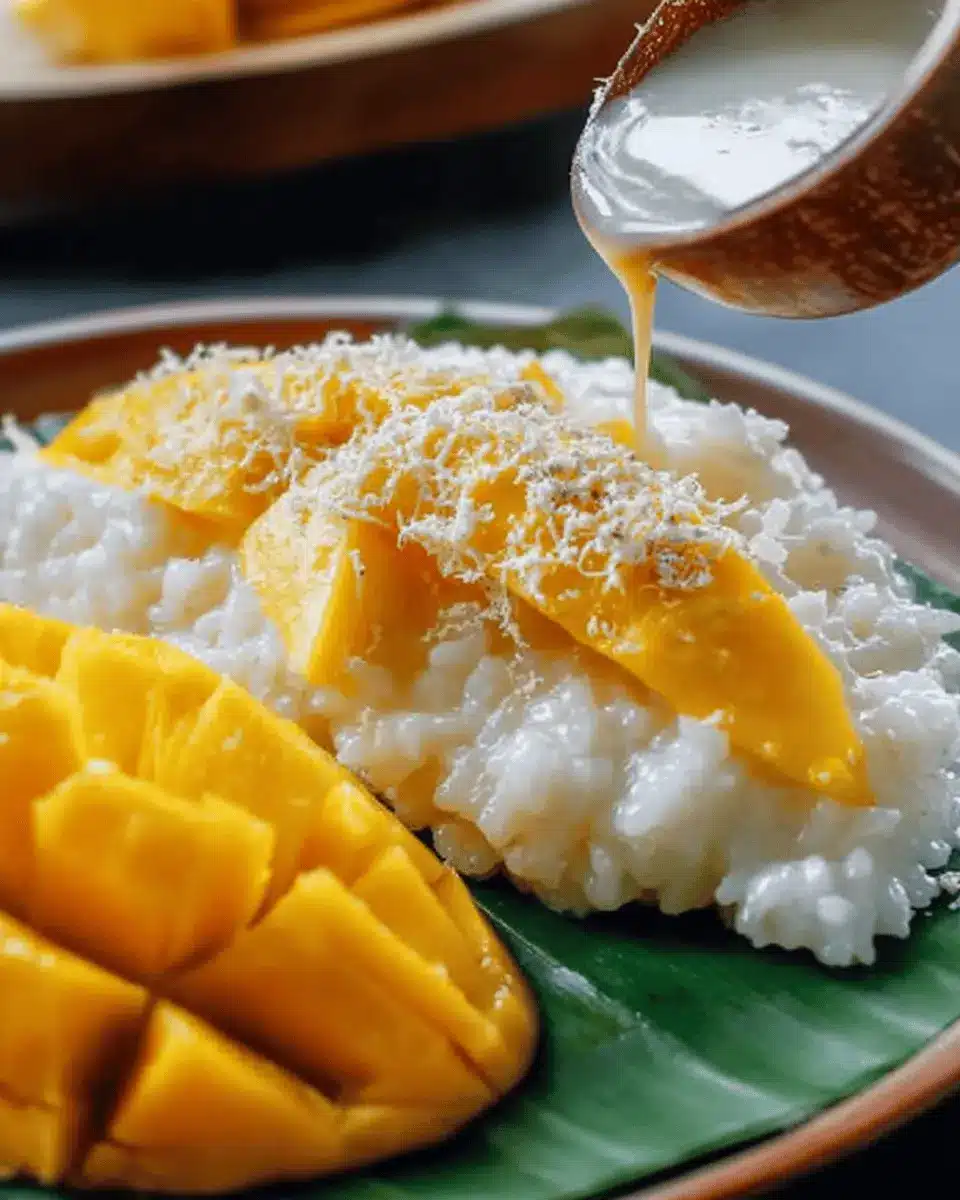
Serving Suggestions for Thai Mango Sticky Rice
Best Plating Techniques for Presentation
When serving mango sticky rice, presentation is key to elevating this delightful dessert. Start by shaping the coconut rice into a neat mound on a plate. Layer slices of ripe mango artfully beside the rice, and don’t forget to drizzle a generous serving of coconut sauce over the top. For an extra touch, sprinkle toasted coconut flakes or sesame seeds for a pop of texture. Using a round mold can help create a perfect shape and aesthetic appeal. Remember, we eat with our eyes first, so make it visually appetizing!
Ideas for Pairing with Beverages
For a delightful experience, pair your mango sticky rice with refreshing beverages. Consider serving it alongside:
- Coconut Water: Enhances the tropical vibe and complements the coconut milk used in the dessert.
- Lemonade or Mint Iced Tea: The citrusy notes can balance the richness of the sticky rice.
- Thai Iced Tea: Bold flavors in this classic drink pair beautifully with the sweetness of the mango and rice.
Ready to impress? These pairings can elevate your dessert experience while satisfying your taste buds. Enjoy!
Time Breakdown for Thai Mango Sticky Rice
Preparation time
To get started on your mango sticky rice, you’ll need about 10 minutes to gather your ingredients and prepare the rice.
Cooking time
The cooking process will take around 10 minutes for the rice and sauce, ensuring everything is perfectly creamy and flavorful.
Total time
With the soaking time included, your complete endeavor will span approximately 1 day and 20 minutes, giving you plenty of time to savor the anticipation, much like enjoying street food in Bangkok!
Nutritional Facts for Thai Mango Sticky Rice
Calories per serving
Indulging in mango sticky rice is not just a treat for the taste buds but also provides a satisfying calorie count. Each serving packs around 531 calories, making it a delightful, rich dessert option.
Key nutrients included
This dessert is loaded with nutrients, offering:
- Carbohydrates: 74g, great for energy
- Protein: 6g, helping with muscle repair
- Fat: 24g, mainly from the nutritious coconut milk
- Fiber: 2g, supporting digestive health
- Sugar: 20g, giving it that sweet, irresistible flavor
For more details about the nutritional benefits of coconut milk, you can check out Healthline's article on coconut products. This makes your mango sticky rice not just delicious but a surprisingly balanced dessert option!
FAQs about Thai Mango Sticky Rice
What type of rice is best for this dish?
For the perfect mango sticky rice, you will want to use glutinous rice. This variety of rice is unique in its ability to become wonderfully sticky when cooked, which is essential for the dish’s signature texture. Soaking the rice overnight is crucial to ensure it cooks evenly and achieves that beloved chewy consistency. You can find glutinous rice in most Asian grocery stores or online.
How do I ripen mangoes quickly?
If your mangoes are still unripe and you're craving that sweet freshness for your sticky rice, you can hasten the ripening process. Place them in a brown paper bag at room temperature. The trapped ethylene gas will help them ripen faster. Alternatively, you can try placing them next to ripe bananas or apples, as they also emit ethylene that enhances ripening.
Can I make this dessert vegan?
Absolutely! The classic mango sticky rice dessert is naturally vegan, as it typically uses coconut milk, rice, and mangoes. Just ensure that the sugar you use is not processed with bone char, which is common in some refined sugars. You can easily whip up this delightful dessert while keeping it dairy-free and cruelty-free—perfect for any vegan lifestyle!
For more tips on how to choose the best ingredients, you might check out The Vegan Society.
Conclusion on Thai Mango Sticky Rice
In conclusion, Thai mango sticky rice is more than just a dessert; it's a delightful journey to Thailand's vibrant street food scene, packed with flavor and nostalgia. This simple recipe allows you to recreate that memorable experience at home. Enjoy the sweet, creamy goodness with family and friends—it's sure to be a hit!
Mango Sticky Rice
Equipment
- Bamboo steamer
- large pan
Ingredients
Coconut Rice
- 1 cup dry glutinous rice soaked overnight
- 1 cup full fat coconut milk
- 3-4 tablespoon granulated sugar see notes
- ½ teaspoon sea salt
Ube (Optional)
- 3-4 tablespoon ube halaya or ube spread see notes
- 2-3 drops ube extract optional (see notes)
Coconut Sauce
- ½ cup full fat coconut milk
- 2-3 tablespoon granulated sugar adjust to desired sweetness
Corn Starch Slurry
- 1 teaspoon corn starch
- 2 teaspoon room temperature water
Mangoes
- 2 large ripe mangoes
- toasted coconut for topping optional
Instructions
Coconut Rice
- Wash the rice 3-4 times to remove the starch or until the water is almost clear. Leave to soak overnight for at least 8-24 hours.
- Afterwards, drain the water from the rice. Place the rice on a bamboo steamer lined with parchment paper.
- Steam for 20-25 minutes or until the rice is cooked, slightly translucent, and still very chewy.
- In a large pan, heat the coconut milk over medium high heat. Add in the sugar and salt. Leave the coconut milk to simmer over medium high heat until it boils. Once it boils, lower heat to medium and continue stirring until the sugar has dissolved.
- Mix in the ube spread and extract (if using) and mix well with the coconut milk. Some chunks of ube are totally fine if these don’t completely dissolve.
- Add in the steamed rice and cook down the rice until it has absorbed the coconut milk and has thickened, around 4 minutes. Turn off the heat and leave to cool for 5 minutes.
Coconut Sauce
- In the same pan over medium high heat, add the coconut milk and sugar. Stir in the same direction and cook over medium heat until it boils. Once it boils, lower the heat to medium.
- Dilute the cornstarch with the water. While stirring the coconut milk, pour in the cornstarch mixture. Turn off heat and keep stirring until it thickens. Transfer to a sauce pourer or small container until ready to use.
Assembling
- Peel the mangoes and slice, creating 4 mango halves (or ‘cheeks’). Then slice each cheek into 1⁄4-inch thick strips.
- Portion the rice and mangoes into 4, then top with toasted sesame seeds. Finish off by drizzling on some of the coconut sauce. These are best enjoyed when freshly made!



Leave a Reply