
Introduction to Gochujang Pasta
If you’re on the lookout for a quick, satisfying meal that does more than just fill you up, gochujang pasta might just become your new favorite go-to recipe. In under 30 minutes, this vibrant and creamy dish offers a delightful balance of spice and comfort, making it an excellent alternative to those late-night fast food cravings. Not only is it simple to prepare, but it's also vegan, which means everyone can enjoy it without guilt!
Why Gochujang Pasta is the Perfect Alternative to Fast Food
Fast food is often the choice for busy professionals seeking convenience, but it can leave you feeling sluggish and unsatisfied. Enter gochujang pasta, a dish that combines wholesome ingredients with that irresistible umami kick from the gochujang, a staple in Korean cuisine. Using silken tofu instead of dairy gives this dish a creamy texture without compromising on flavor, making it a healthy yet indulgent option.
- Quick Prep: With a total cooking time of less than 30 minutes, it’s perfect for those evenings when your schedule is packed.
- Health Benefits: Packed with nutrients and flavor, this pasta dish features ingredients like nutritional yeast, providing a cheesy flavor along with added B vitamins.
Swapping out takeout for a homemade version enriches your diet while keeping convenience in mind. Plus, who doesn’t love being able to customize their meal? Whether you add extra veggies or adjust the spice level, the possibilities are endless! Check out this link on the benefits of gochujang to learn why it’s a great ingredient to incorporate into your meal prep.
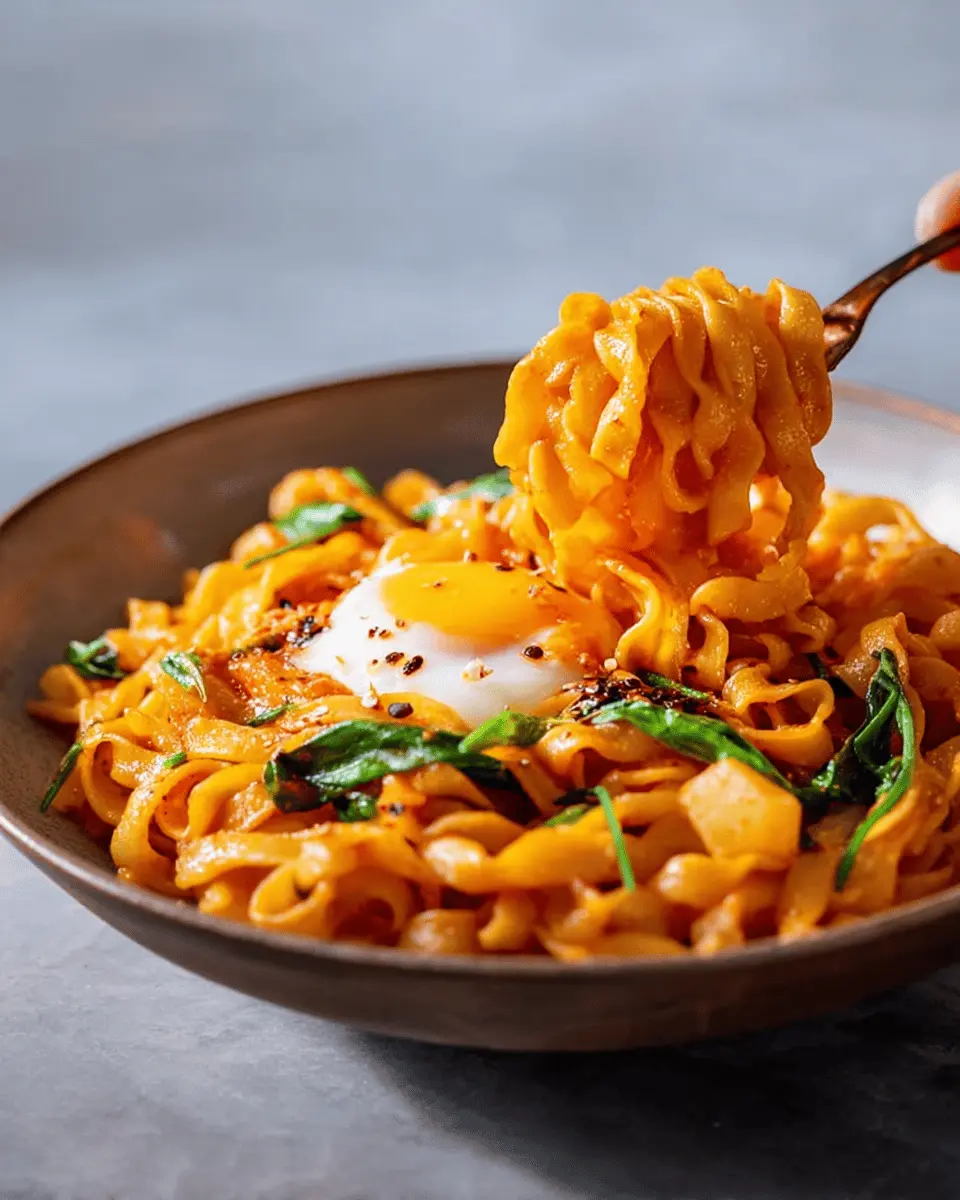
Ingredients for Gochujang Pasta
Essential Ingredients for a Flavor-Packed Dish
Creating a delicious gochujang pasta dish doesn’t require intricate techniques—just a handful of simple yet powerful ingredients. Here’s what you’ll need:
- 500g/1lb dried pasta: Choose your favorite type, whether it’s linguine, spaghetti, or fusilli.
- 1 tablespoon olive oil: This adds a lovely richness and depth to your dish.
- 1 onion: Use either red or white, finely chopped, for a base that brings sweetness.
- 2 garlic cloves: Finely grated or chopped to enhance the flavor profile.
- 300g/10½oz silken tofu: This provides a creamy texture without the dairy.
- 2 tablespoon gochujang: The star of the show! This Korean chili paste gives your pasta its signature heat.
- 2 tablespoon nutritional yeast: Or, if you’re not vegan, you can use finely grated hard cheese for a cheesy essence.
- Salt: To taste, enhancing the overall flavors.
Optional Add-ins for Extra Texture and Flavor
For those looking to elevate their gochujang pasta, consider incorporating these optional ingredients:
- Large handful of frozen peas: They can add a pop of color and sweetness.
- Shredded greens: Kale or cavolo nero can add extra nutrients and texture.
- Protein options: Sliced turkey bacon or chicken ham can give a meaty touch if desired.
Feel free to experiment with different combinations to make this dish your own! For more inspiration, check out this article on flavorful pasta additions.
Preparing Gochujang Pasta
Creating a delicious plate of gochujang pasta is not only incredibly easy but also a great way to impress friends and family—while enjoying some spicy comfort. Here’s how to make it happen in just a few simple steps.
Cooking the pasta to perfection
Start with 500g of your favorite dried pasta—linguine, spaghetti, or fusilli work beautifully. Begin by bringing a large pot of salted water to a boil. Salt is crucial here; it enhances the flavor of the pasta. Add the pasta and cook it according to the package instructions until it reaches that perfect al dente texture. Don’t forget to reserve a cup of the pasta cooking water before draining. Why? This starchy water will help thicken and bind your sauce later.
Sautéing the aromatics
While your pasta is cooking, it’s time to infuse some serious flavor into your dish. In a saucepan, heat a tablespoon of olive oil over medium heat. Add one finely chopped onion—red or white will do—and two cloves of finely chopped garlic. Toss in a pinch of salt to soften the onions without caramelizing too much. Cover the pan and let everything sauté for about 5-7 minutes until the onions are translucent and fragrant.
Blending the creamy sauce
Next, let’s make the star of the dish: the creamy sauce. In a blender, combine 300g of roughly chopped silken tofu, two tablespoons of gochujang, and two tablespoons of nutritional yeast (or finely grated Italian-style hard cheese if you prefer). Pour in the softened onion mixture along with a couple of tablespoons of the reserved pasta water. Blend until you achieve a velvety smooth consistency. This blend not only adds creaminess but also introduces that signature spicy kick that gochujang is known for.
Combining pasta with sauce
Once your pasta is drained and your sauce is ready, it’s time for the grand union. Pour the blended tofu mixture into your saucepan and warm it over medium heat. Bring it to a gentle simmer, and then add your perfectly cooked pasta. If the sauce feels too thick, don’t hesitate to splash in a bit more of that reserved pasta cooking water. The goal is to coat every strand of pasta in this creamy deliciousness. If you're feeling adventurous, toss in a handful of frozen peas for a pop of color and nutrition.
Final touches and plating
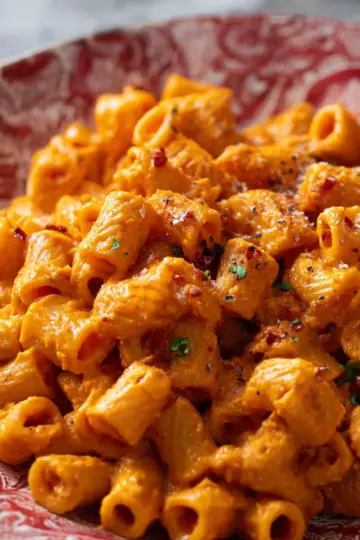
Now comes the fun part: plating! Serve the gochujang pasta immediately while it’s still warm, garnished with a sprinkle of fresh herbs or extra nutritional yeast for added flavor.
And there you have it—your very own bowl of gochujang pasta, ready to be devoured! This dish not only satisfies your cravings but allows for plenty of customization. Why not experiment with different veggies or spice levels? Happy cooking!
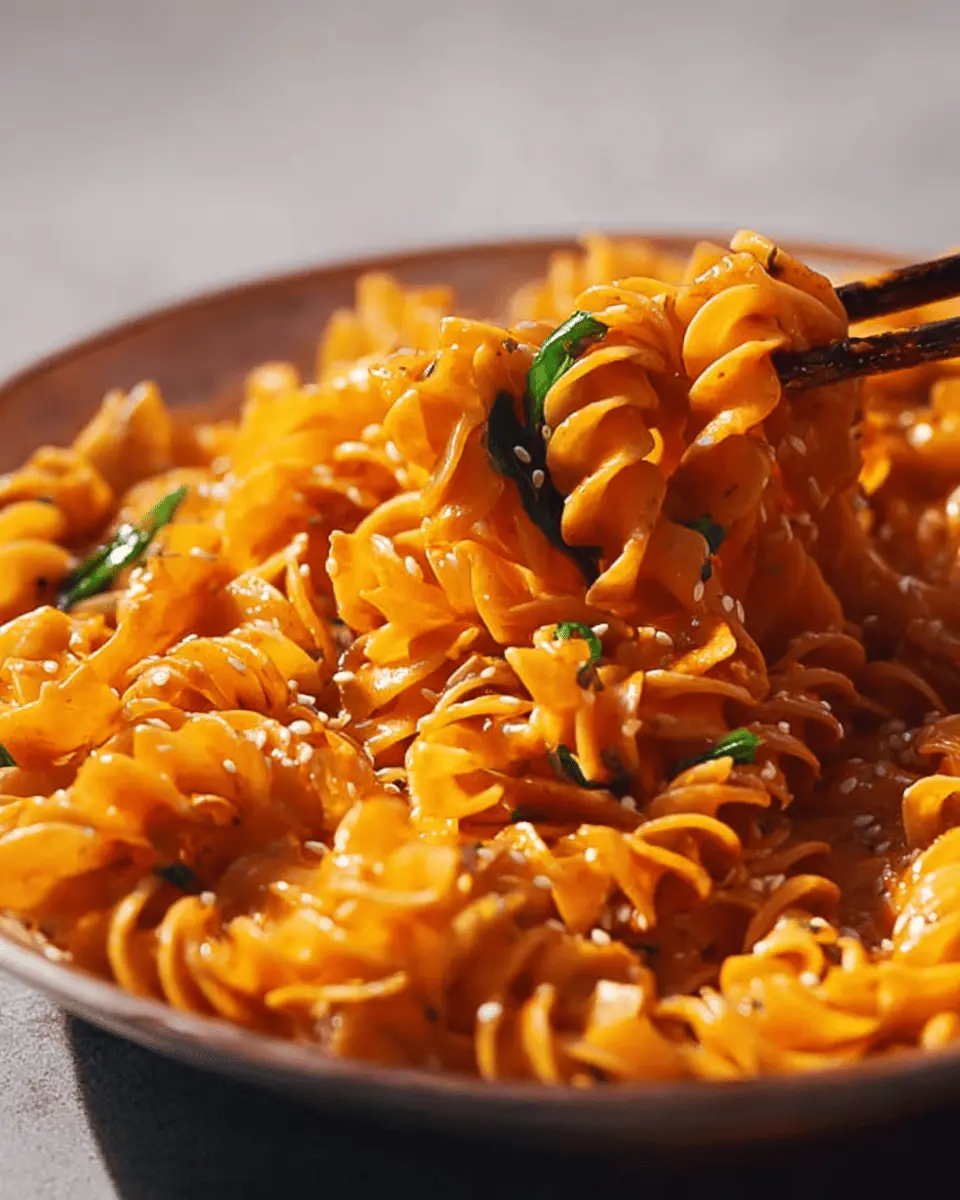
Variations on Gochujang Pasta
Spicy Gochujang Pasta with Chicken Ham
If you’re looking to elevate your gochujang pasta, try adding some chicken ham! It beautifully balances the dish's creaminess with a savory twist. Just toss in some diced chicken ham when you mix the creamy sauce with the pasta. The savory notes enhance the spicy warmth of gochujang, creating a delightful fusion of flavors. Plus, it adds an extra protein punch for those busy weekdays.
Gochujang Pasta with Turkey Bacon and Greens
For a smoky flavor, substitute chicken ham for turkey bacon. Crisp it up in the pan, and then stir it into your gochujang pasta. To boost the nutrient factor, add a handful of leafy greens like spinach or kale. The greens not only add a pop of color but also a fresh crunch that complements the silky sauce. Ready to impress? Visit Nutrition.gov for tips on incorporating more greens into your meals!
These simple variations are sure to keep your gochujang pasta exciting, allowing you to savor unique flavors each time.
Cooking Tips and Notes for Gochujang Pasta
Custom Spice Level Adjustments
One of the best features of gochujang pasta is its versatility. Start by adding just one tablespoon of gochujang, and taste the sauce before adding more. If you love heat, you can increase it gradually—just remember, it’s easier to add spice than to take it away!
Ingredient Substitutions and Additions
Don’t hesitate to get creative! If you’re out of silken tofu, you can use blended coconut cream for creaminess or even cashews if you're not strict about being nut-free. For vegetables, consider adding shredded kale or spinach instead of peas. Check out this article for more ideas on ingredient swaps!
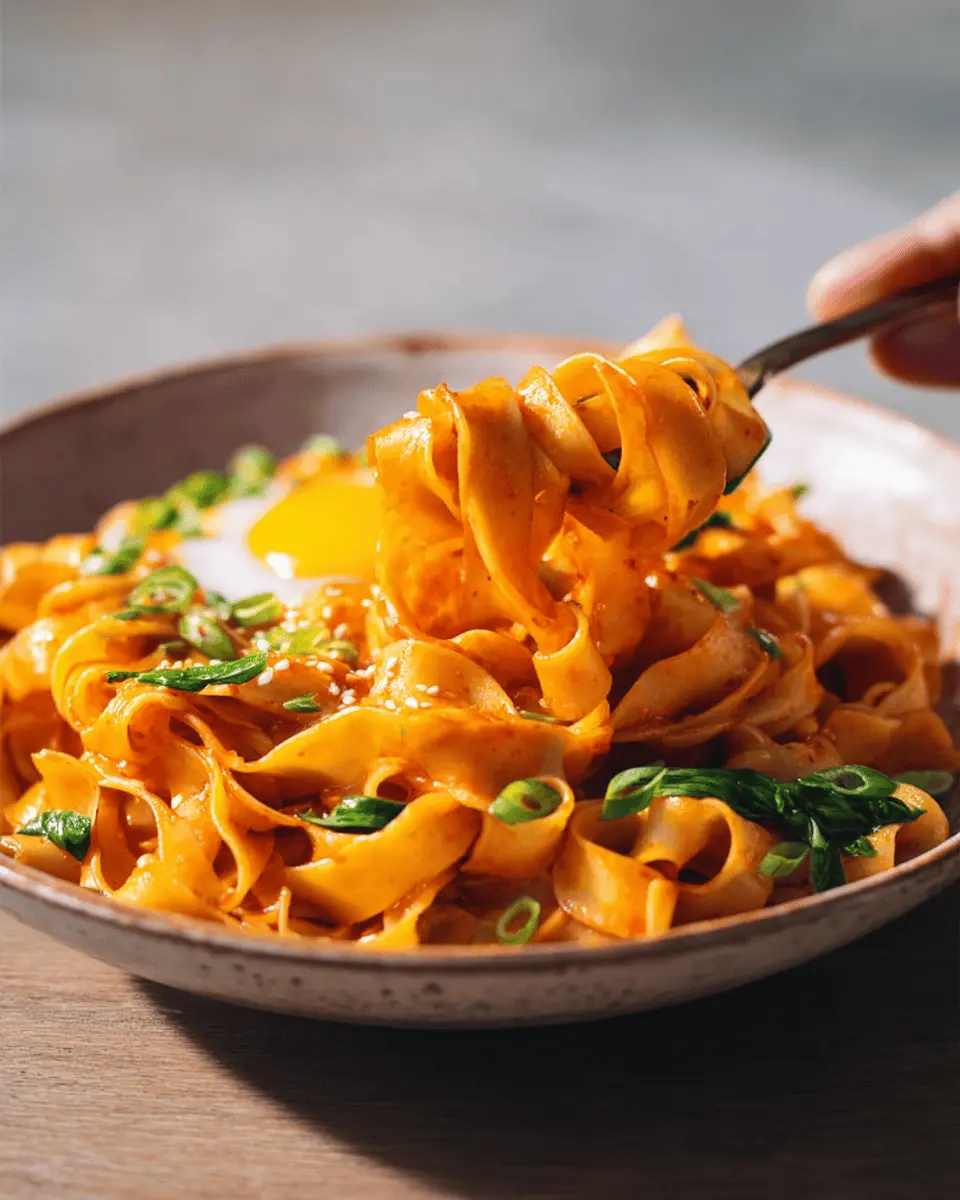
Serving Suggestions for Gochujang Pasta
Pairing Ideas for a Complete Meal
To complement your gochujang pasta, consider pairing it with:
- Fresh Garden Salad: A simple mix of greens, cherry tomatoes, and a tangy vinaigrette can balance the dish's spice.
- Grilled Vegetables: Seasonal veggies like zucchini or bell peppers bring a lovely char and enhance the meal's flavors.
- Protein Options: Add chicken ham or turkey bacon for a heartier dish, while keeping it light with grilled tofu or chickpeas for a vegan twist.
These combinations not only round out the meal but also add nutrients and texture.
Creative Plating Tips
When it comes to serving your gochujang pasta, the presentation can elevate the dining experience. Try these ideas:
- Bowl Style: Serve the pasta in wide, shallow bowls for a cozy feel.
- Garnish with Fresh Herbs: Sprinkle chopped cilantro or parsley on top for a pop of color and freshness.
- Add a Little Crunch: Top with sesame seeds or crushed nuts for added texture and visual appeal.
By taking a moment to plate thoughtfully, you're sure to impress your guests while making the meal even more enjoyable! For more cooking inspiration, check out resources like The Spruce Eats or Serious Eats.
Time Breakdown for Gochujang Pasta
Preparation Time
Getting ready to whip up your gochujang pasta takes just about 10 minutes. This includes gathering your ingredients and chopping the onion and garlic. Make sure you have everything within arm’s reach to streamline the cooking process!
Cooking Time
Once you dive into it, cooking the gochujang pasta will take around 15-20 minutes. This includes boiling the pasta, sautéing the aromatics, and blending the creamy sauce to perfection.
Total Time
In total, you’re looking at about 25-30 minutes from start to finish. It's the perfect quick dinner option for busy weeknights or when you want something flavorful without all the fuss.
Curious about the rich flavors of gochujang? You can explore more about this Korean chili paste on reputable sites like Serious Eats. Enjoy every bite of this vibrant dish!
Nutritional Facts for Gochujang Pasta
Calories
A serving of gochujang pasta contains approximately 390 calories. This makes it a satisfying yet guilt-free option for lunch or dinner that won't derail your healthy eating goals.
Protein
You'll find about 15 grams of protein in each serving, thanks to the inclusion of silken tofu and nutritional yeast. This protein boost keeps you feeling fuller for longer, which is great if you have a busy day ahead.
Carbohydrates
Each bowl offers around 55 grams of carbohydrates. Most of these come from the pasta, making this dish a good source of energy. It’s perfect to fuel your next workout or simply power through the afternoon slump.
If you're interested in more health benefits of tofu, check out this source. For additional insights into pasta nutrition, you can explore NutritionData. Embrace the flavorful fusion of gochujang and pasta while nourishing your body!
FAQs about Gochujang Pasta
Can I make Gochujang Pasta ahead of time?
Absolutely! You can prepare the spicy sauce in advance and store it in an airtight container in your fridge for up to three days. When you're ready to enjoy, just cook your pasta fresh and mix it with the already made gochujang sauce. This is a perfect option for busy weeknights when you want something quick yet flavorful.
What is Gochujang, and how spicy is it?
Gochujang is a traditional Korean fermented chili paste made from red chili powder, glutinous rice, fermented soybean powder, and salt. It offers a unique combination of heat, sweetness, and umami. On the spice scale, it's considered moderately spicy, making it versatile for both spice lovers and those looking to gently spice things up in dishes. If you're uncertain about spice levels, start with less and adjust to taste!
Can I use different types of pasta for this recipe?
Yes, you can definitely use various types of pasta for your gochujang pasta! Whether you prefer linguine, fusilli, or even gluten-free options, the possibilities are endless. Just ensure you adjust the cooking time according to the type of pasta you choose. This flexibility makes it easy to customize the dish to your liking!
Conclusion on Gochujang Pasta
Embracing Homemade Flavor: A Final Thought
Creating a bowl of gochujang pasta is not just about enjoying a meal; it's about embracing a fusion of flavors that speaks to both comfort and adventure. This dish is quick, vegan-friendly, and easily adaptable, making it a fantastic addition to your weeknight repertoire. Give it a try, and let the spicy and creamy notes elevate your dining experience. For more inspiration, check out this guide to pasta sauces or explore the versatility of gochujang in other cuisines. Enjoy!
Gochujang pasta
Equipment
- blender
- saucepan
Ingredients
Pasta and Sauce
- 500 g dried pasta, such as linguine, spaghetti, tagliatelle, fusilli or penne
- 1 tablespoon olive oil
- 1 onion, red or white, finely chopped
- 2 garlic cloves, finely grated or chopped
- 300 g block silken tofu, roughly chopped
- 2 tablespoon gochujang
- 2 tablespoon nutritional yeast (or finely grated Italian-style hard cheese)
- large handful frozen peas (optional)
- to taste salt
Instructions
Cooking Instructions
- Cook the pasta in a saucepan of well salted boiling water according to packet instructions, or until al dente. Drain and reserve some of the pasta cooking water.
- Meanwhile, heat the oil in a saucepan and fry the onion, garlic and a pinch of salt with the lid on until softened.
- Place the tofu, gochujang and nutritional yeast in a blender. Add the onion mixture and a couple of tablespoons of the reserved pasta cooking water and blend until totally smooth.
- If using the peas, boil or microwave them until hot.
- Pour the tofu mixture into a saucepan. Cook over a medium heat until it starts to simmer then add the pasta, along with a splash of the reserved pasta water if the sauce is a little thick.
- Toss the peas, if using, with the creamy pasta and serve immediately.
Leave a Reply