
Introduction to Mango Sago
What is Mango Sago and Why It's a Must-Try Dessert?
Mango sago is not just any dessert; it's a delightful fusion of flavors and textures that transports you straight to a tropical paradise. Originating from Cantonese cuisine, this refreshing dish combines ripe mangoes, creamy coconut milk, and small tapioca pearls, resulting in a soothing and light dessert that’s perfect for any occasion. If you love mangoes, you’re in for a treat!
So, what makes mango sago a must-try? For starters, this dessert is incredibly easy to prepare, making it an ideal choice for young professionals who are always on the go. Imagine enjoying a cool bowl of mango sago on a sweltering summer afternoon— it’s the perfect remedy for the heat. Plus, the vibrant colors and flavors can uplift your mood, providing a mini-vacation in every spoonful.
Looking to impress guests or simply crave something sweet without the fuss? Mango sago is versatile enough to be dressed up for a dinner party or enjoyed casually at home. With its rich flavors and unique ingredients, you won’t find yourself reaching for any old dessert again. Dive into the process and learn how to take your dessert game to the next level with this fantastic mango sago recipe!

Ingredients for Mango Sago
Essential ingredients for the perfect Mango Sago
Creating a delightful Mango Sago starts with a few key ingredients that merge beautifully to deliver a refreshing experience. You’ll need:
- 200 g small tapioca pearls: These chewy little gems are the heart of your dessert, providing that signature texture.
- 600 g mango chunks: Choose ripe, juicy mangoes for the best flavor; around five small mangoes should do the trick.
- 400 g coconut milk: A creamy, rich addition that enhances the tropical vibe. One can is all you need.
- 50 g sweetened condensed milk: This adds the perfect touch of sweetness, rounding out the flavors beautifully.
Optional ingredients to elevate your Mango Sago experience
To take your Mango Sago to the next level, consider adding:
- Fresh mango chunks for garnish: They not only add a pop of color but also extra fruitiness to each bite.
- Chia seeds: Boost the health factor and add an intriguing texture.
- Mint leaves: A sprinkling of fresh mint offers a refreshing contrast and an aromatic twist.
Whether you keep it classic or add personal touches, this dessert is sure to impress! Check out more ideas for variations over at Serious Eats.
Preparing Mango Sago
Mango sago is one of those delightful desserts that can brighten any occasion. The combination of creamy coconut milk, sweet mango, and chewy tapioca pearls is simply irresistible. If you’re ready to dive into the world of Mango Sago, let’s walk through each essential step together!
Cook the Tapioca Pearls
The first step in preparing Mango Sago is to cook the tapioca pearls.
- Boil water: Bring a large pot of water to a rolling boil.
- Add the sago: Once boiling, add in 200 grams of small tapioca pearls. Be sure to stir immediately to prevent sticking.
- Simmer: Reduce the heat to a simmer and let the pearl cook for about 10 minutes. It’s crucial to keep an eye on them as they cook!
- Rest: After 10 minutes, remove the pot from heat, cover, and let the pearls sit for another 10 minutes. This resting period ensures the pearls become completely translucent throughout.
- Drain and rinse: Once cooked, drain the pearls using a fine mesh sieve and quickly immerse them in cold water to stop the cooking process. This also helps to keep the pearls from sticking together.
Blend the Mango Mixture
While your tapioca pearls are cooling, it’s time to whip up the mango mixture. This is where the dessert really starts to shine!
- Prepare mangoes: Start with about 600 grams of ripe mango chunks (that’s roughly 5 small mangoes). The riper the fruit, the better your dessert will taste.
- Blend: In a blender, combine the mango chunks with 400 grams of coconut milk and 50 grams of sweetened condensed milk. Blend until the mixture is completely smooth and creamy.
- Taste test: Don’t forget to taste your fabulous mango mixture. If it needs a little extra sweetness, feel free to add a touch more condensed milk.
Combine the Ingredients
Now that we have our tapioca pearls and the luscious mango mixture, it’s time to bring it all together!
- Mix it up: Pour the smooth mango mixture into a large serving bowl. Then, gently fold in the drained tapioca pearls. Stir carefully to ensure everything is combined nicely, but be gentle to keep those pearls intact.
- Optional: For added texture, consider throwing in a few extra mango chunks to give your Mango Sago a delectable bite!
Chill and Serve
The last step is just as important as the first!
- Chill: Cover your bowl with plastic wrap and place it in the refrigerator. Let it chill for at least an hour. This allows the flavors to meld beautifully and makes it refreshing when served.
- Serve: When you’re ready to indulge, serve the Mango Sago in small bowls or glasses. For an extra touch, drizzle more coconut milk on top and garnish with fresh mango chunks.
And voila! You’ve just created a delightful Mango Sago that’s perfect for any dessert-loving crowd. Happy indulging!

Variations on Mango Sago
Tropical Fruit Variations
While traditional mango sago shines with its luscious mango flavor, consider experimenting with other tropical fruits for an exciting twist. Pineapple, passion fruit, or even dragon fruit can be blended with coconut milk for a vibrant dessert. Each fruit adds its unique sweetness and tang, making it a fun way to tailor the dish to your taste buds. Why not make a tropical fruit medley? The mixture of colors and flavors might just make your dessert the star of the dinner table.
Vegan Adaptations of Mango Sago
For those seeking a vegan-friendly take on mango sago, simply swap out the sweetened condensed milk with a plant-based alternative. Coconut or almond milk can work beautifully, maintaining that creamy texture while accommodating vegan diets. Additionally, consider substituting the sugar with maple syrup or agave nectar for a natural sweetener. This ensures that everyone can indulge in this delightful dessert while staying true to their dietary preferences. Check out The Vegan Society for more ideas on delicious vegan desserts!
Cooking tips and notes for Mango Sago
Ensuring the perfect texture of tapioca pearls
To achieve that delightful chewy texture in your Mango Sago, start by using small tapioca pearls. When cooking them, make sure to stir immediately after adding to boiling water to prevent clumping. After simmering for 10 minutes, turn off the heat and let them sit covered for another 10 minutes. This step is crucial for achieving a fully translucent, delicate finish. Remember to rinse the pearls in cold water afterward to stop the cooking process and keep them from getting too sticky.
Selecting ripe mangoes for sweetness
The sweetness of your Mango Sago heavily relies on the mangoes you choose. Opt for ripe mangoes with a slight give when you press on them. Varieties like Tommy Atkins or Honey mango offer rich flavors and are perfect for this dessert. For tips on selecting the best mangoes, check out resources like EatingWell or Serious Eats. The more flavorful your mangoes, the better the overall taste of this refreshing dessert!
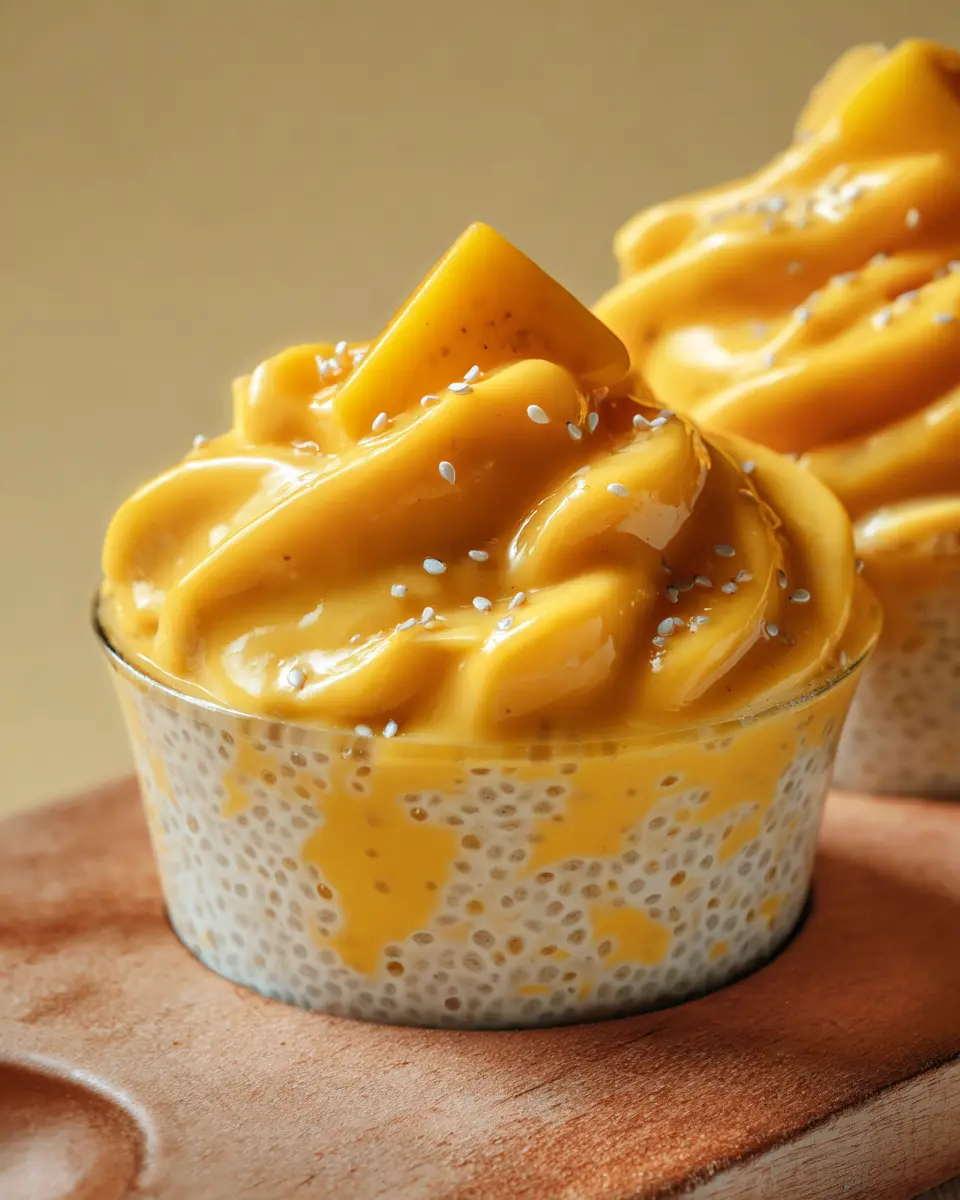
Serving Suggestions for Mango Sago
Creative Ways to Serve and Garnish
When it comes to presenting mango sago, think outside the bowl! You can serve it in:
- Glass Cups: Use clear cups to show off the beautiful layers of mango and sago.
- Coconut Shells: For a tropical twist, serve them in emptied coconut shells.
- Mason Jars: These are great for individual servings at parties, making it easy for guests to grab and go.
Garnish with fresh mint leaves, a drizzle of coconut cream, or even a sprinkle of toasted coconut flakes for added texture and flavor.
Ideal Occasions for Serving Mango Sago
Mango sago is not just a dessert; it's a delightful way to celebrate! Consider serving it on:
- Hot Summer Days: Its refreshing nature makes it perfect for cooling down.
- Birthday Parties: Delight your guests with this unique treat.
- Potlucks and Gatherings: It’s easy to whip up and is sure to impress!
No matter the occasion, mango sago is a crowd-pleaser that adds a delightful touch to any event. For more inspiration on serving desserts, check out this guide featuring creative dessert ideas!
Time Breakdown for Mango Sago
When you're ready to whip up this mango sago delight, timing is everything! Here’s how it breaks down:
-
Preparation Time: 25 minutes
This includes gathering your ingredients and prepping the mangoes and tapioca pearls. -
Cooking Time: 20 minutes
You’ll be cooking the sago pearls to achieve that perfect chewy texture. -
Total Time: 45 minutes
In just three-quarters of an hour, you'll have a delicious, refreshing dessert ready to enjoy!
This simple and straightforward timing ensures you can easily fit mango sago into your day—perfect for a quick weeknight treat or as a delightful ending to a special meal. For more tips on dessert timing, check out resources like Epicurious or Bon Appétit!
Nutritional Facts for Mango Sago
Mango sago is not just a delightful treat; it also provides some nutritional benefits. Each serving contains approximately 337 calories, primarily from carbohydrates and fats. Here’s a quick breakdown:
- Carbohydrates: 51g
- Protein: 3g
- Fat: 15g (saturated fat: 13g)
- Fiber: 2g
- Sugars: 19g
This dessert is rich in Vitamin A and C, making it a sweet option for a refreshing dessert. For more details on the health benefits of mangoes, check out Healthline's insights.
Feel free to enjoy this delicious mango sago while being mindful of portion sizes to balance out your overall daily intake!
FAQs about Mango Sago
Can I make Mango Sago ahead of time?
Absolutely! Mango Sago can be prepared in advance. You can cook the tapioca pearls and blend the mango mixture a day before serving. Just keep each component separately in the fridge, and combine them when you're ready to serve. This way, the flavors meld beautifully, and you can enjoy a hassle-free dessert experience.
What if I can’t find tapioca pearls?
No tapioca pearls? No problem! You can use alternatives like chia seeds or even small pieces of fruit, such as diced mango or kiwi. While it may alter the texture slightly, your Mango Sago will still be delicious. Check out your local Asian grocery store or online retailers for the best options if you prefer to stick with classic pearls.
How can I customize the sweetness of Mango Sago?
Adjusting the sweetness of your Mango Sago is easy! Start with the suggested amount of sweetened condensed milk, then taste as you blend. If you’d like it sweeter, simply add more condensed milk or even a drizzle of honey or maple syrup. Remember, the ripeness of your mangoes also affects sweetness, so choose those at peak ripeness for the best flavor!
Conclusion on Mango Sago
In summary, mango sago is a delightful treat that beautifully combines textures and flavors. Easy to prepare, it’s perfect for a hot day or as a sweet finish to your meal. Why not share this refreshing dessert with friends or family? Enjoy the taste of summer in every bite!
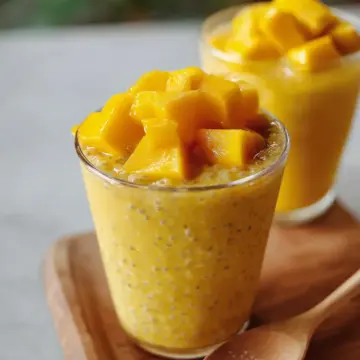
Mango Sago
Equipment
- large pot
- fine mesh sieve
- blender
- serving bowl
Ingredients
Tapioca and Mango
- 200 g small tapioca pearls
- 600 g mango chunks about 5 small mangoes
- 400 g coconut milk 1 can
- 50 g sweetened condensed milk
Instructions
Preparation Instructions
- Bring a large pot of water to a boil. Add in the sago and stir immediately. Lower the heat to a simmer and cook sago for 10 minutes. Remove from heat, cover, and let sit for 10 minutes until the sago becomes completely translucent throughout.
- Pour the cooked sago into a fine mesh sieve to drain away the water. Fill the same pot with cold water and place the sieve on top. Keep the sago submerged in cold water until ready to use.
- In a blender, add the mango chunks, coconut milk, and condensed milk. Blend until smooth. Taste and add more condensed milk if you’d like it sweeter.
- Pour the mango mixture into a large serving bowl. Add in the drained sago and stir to combine.
- Serve the mango sago in small bowls or glasses. Garnish with more coconut milk and fresh mango chunks if desired.




Leave a Reply