
Introduction to Easy Homemade French Bread
Why make French bread at home?
Making easy homemade French bread brings not just the delightful aroma of baking into your kitchen, but it also allows you to connect with a timeless culinary tradition. Imagine pulling freshly baked loaves from the oven, their crust golden and crispy, and their insides warm and fluffy. You can enjoy this experience anytime without the need to rush to a bakery. With simple ingredients and a bit of patience, you can create something incredible right at home.
The benefits of homemade bread
The benefits of making beef, turkey bacon, or chicken ham sandwiches with homemade bread extend beyond just taste. Here are some compelling reasons to whip up a batch:
- Quality Control: You choose each ingredient, ensuring it meets your dietary needs and preferences.
- Cost-Effective: Homemade bread is often cheaper than store-bought, especially when considering the quality you get.
- Satisfaction & Joy: There’s something incredibly rewarding about creating food from scratch—it's like a little victory with each loaf.
- Customization: Whether you prefer more whole grains, less salt, or flavorful herbs, you can tailor your bread to suit your taste.
Ready to discover the joy of baking? Let’s dive into the recipe for easy homemade French bread!
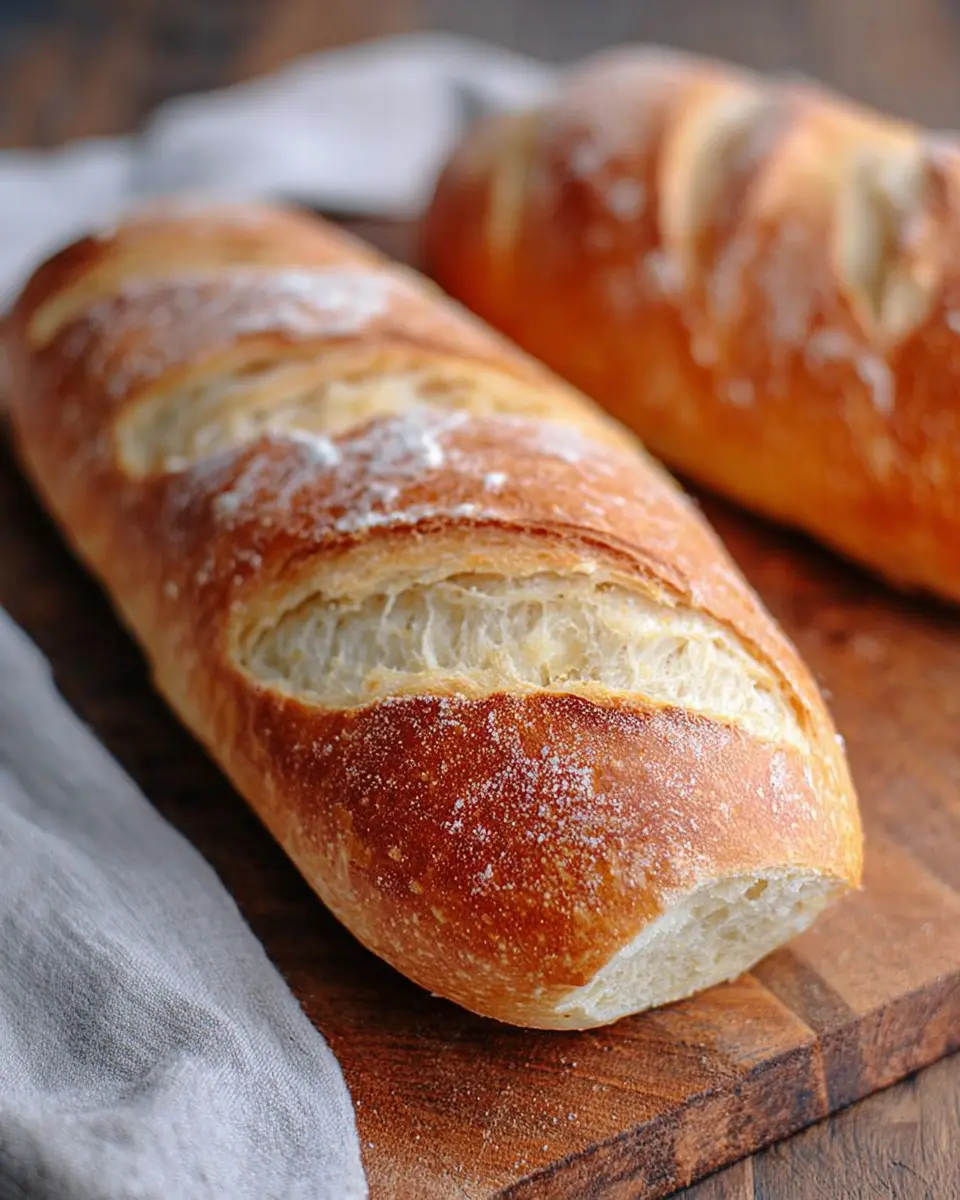
Ingredients for Easy Homemade French Bread
Essential Ingredients List
Creating your own easy homemade French bread is quite straightforward when you have the right ingredients on hand. Here’s what you’ll need:
- 2 ¼ cups warm water (110-115°F)
- 2 tablespoons granulated sugar
- 1 tablespoon instant or active dry yeast
- 2 ¼ teaspoons salt
- 2 tablespoons oil (olive, canola, vegetable, or avocado)
- 5 ½ - 6 cups all-purpose or bread flour
Feel free to gather these items ahead of time to streamline your baking experience!
Special Notes on Flour and Yeast
When it comes to flour, using either all-purpose or bread flour works well. Bread flour has a higher protein content, which can help create a chewier texture. Check out this guide from King Arthur Baking for more insights on selecting the right flour.
For yeast, both instant and active dry varieties are effective, but instant yeast is more forgiving and faster-acting. If you opt for active dry yeast, remember to let it foam before mixing—this ensures it's alive and kicking for that perfect rise!
Step-by-step Preparation of Easy Homemade French Bread
Making easy homemade French bread is not only a rewarding experience but also a delightful way to fill your kitchen with the aroma of freshly baked bread. Follow these straightforward steps to create two beautiful loaves that are perfect for any meal.
Activate the yeast
Start by creating the ideal environment for your yeast to flourish. In the bowl of an electric stand mixer, combine 2 ¼ cups of warm water (aim for 110-115 degrees F) with 2 tablespoons of sugar and 1 tablespoon of instant or active dry yeast. If you opted for active dry yeast, give it about 3-5 minutes to bubble and foam before moving on to the next step. This process is crucial as it ensures your dough will rise properly!
Mix wet and dry ingredients
Once your yeast is activated, add 2 ¼ teaspoons of salt, 2 tablespoons of your choice of oil (olive, canola, or even avocado), and 3 cups of flour to the yeast mixture. Mix until everything is combined, then gradually add in 2 ½ to 3 more cups of flour until the dough forms a soft ball that clears the sides of your bowl. Remember, the right texture—you want a dough that isn’t too sticky—is key for easy homemade French bread.
Knead the dough
Knead the dough for about 2-3 minutes until it's smooth. If the dough sticks to the sides of the bowl, add more flour, a little at a time, until it achieves the right consistency. You’re aiming for a soft and supple dough, one that feels just slightly tacky to your fingertips.
Choose your rising method
Now, it's time to decide how you'd like your dough to rise. You have two options:
- Rising Method 1: Keep the dough in the mixer, cover it, and let it rest for 10-minute intervals, stirring it down between each session. Repeat this for about 5 rounds.
- Rising Method 2: Transfer the dough to a greased bowl, cover, and let it rise until it doubles in size—usually around an hour.
Shape the dough
Once the dough has risen beautifully, turn it out onto a lightly greased surface and divide it in half. Shape each half into a thick rectangle (about 9x13 inches). Roll it up from the long edge, making sure to pinch the seams to seal well. Place the seam side down on baking sheets lined with parchment paper.
Score and prepare for baking
To give your loaves a professional touch, use a bread lame or sharp knife to score a few gashes at an angle across the top of each loaf. This scoring allows steam to escape while baking, resulting in that delightful crust we all love.
Bake the loaves
Finally, it's time to preheat your oven to 375 degrees F. For that perfect golden-brown crust, consider tossing some ice cubes in the bottom of the oven for added steam (consult your oven manual for safety). Bake your loaves for 25-30 minutes or until they’re golden and sound hollow when tapped. If you want, you can brush them with melted butter straight out of the oven for a softer crust, but if you prefer that crisp bite, you can skip this step!
In just a few simple steps, you've created easy homemade French bread that will impress family and friends alike. Enjoy your baking adventure! If you're looking for more bread-making tips, check out King Arthur Baking for resources and inspiration.
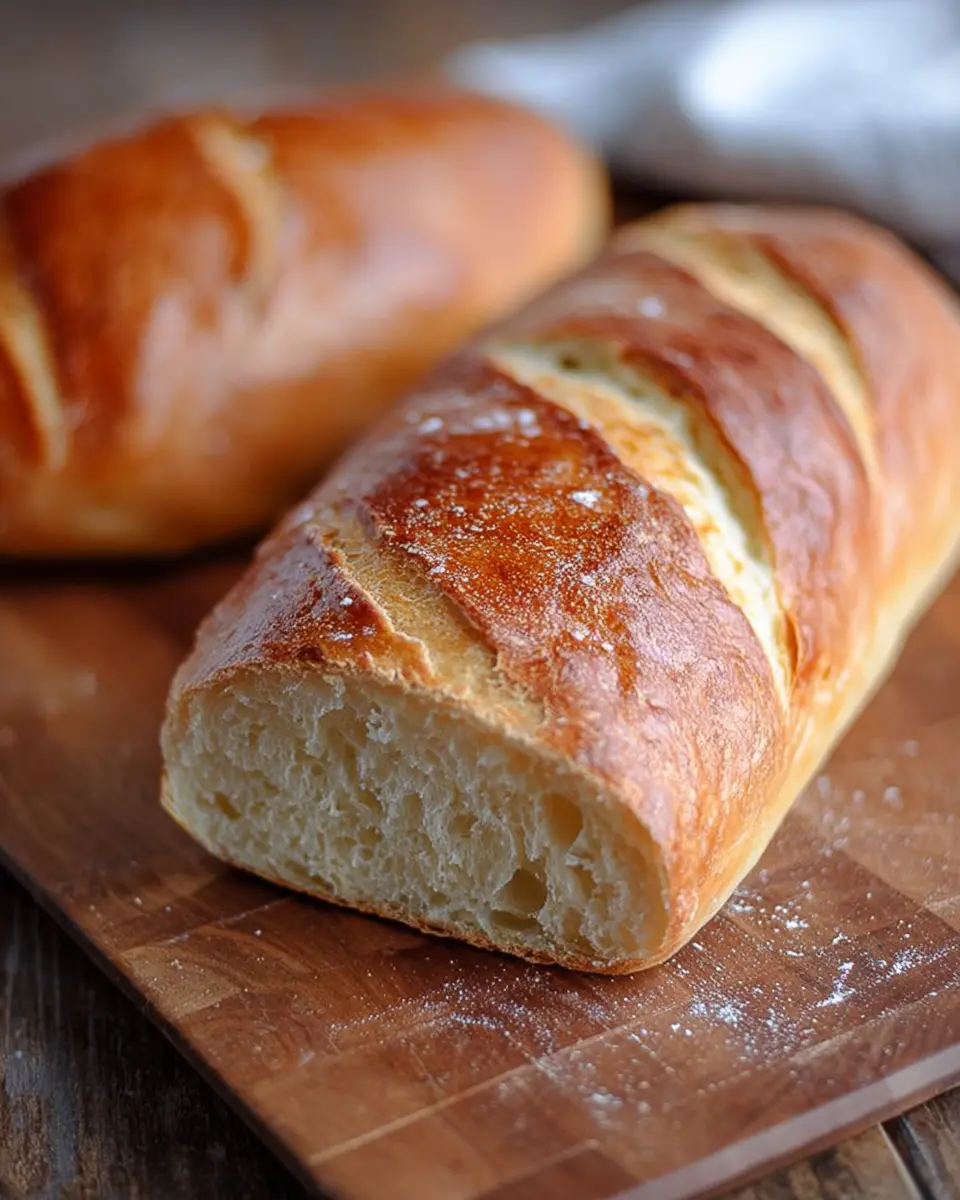
Variations on Easy Homemade French Bread
Whole Wheat French Bread
For a heartier twist on your easy homemade French bread, consider using whole wheat flour. Just substitute half of the all-purpose flour with white whole wheat flour for an excellent starting point. You'll enjoy the nutty flavor and added nutrients that whole grains provide. If you find the texture is too dense, try adding a couple of tablespoons of gluten flour to lighten things up. Remember, kneading time may need an extra few minutes to fully develop the gluten.
Herb-Infused French Bread
Looking to elevate your easy homemade French bread? Add flavor with herbs! Mix in dried herbs like rosemary, thyme, or oregano during the initial stages of kneading for a fragrant twist. You can also experiment with fresh herbs, but make sure to finely chop them to avoid chunks in your loaf. Pair your herb-infused bread with olive oil for dipping or as a side to soups and salads. So delicious! For more variations on bread recipes, check out this bread-making guide.
Cooking Tips and Notes for Easy Homemade French Bread
Perfecting the crust with steam
To achieve that perfect crust on your easy homemade French bread, consider creating steam in your oven during baking. Just toss a few ice cubes onto the bottom of your preheated oven as you place in your loaves. This generates steam that helps create a crisp, golden crust. Remember to close the oven quickly to keep the steam inside!
Adjusting for humidity and altitude
Baking is all about precision, and environmental factors like humidity and altitude can greatly influence your dough. On humid days, you might need to use less flour, while at higher altitudes, you may need to increase the flour slightly for the right texture. Keep a close eye on the dough as you knead—it should be soft yet slightly tacky. For more tips on adjusting baking for altitude, check out this resource from The Kitchn.
Embrace the nuances of baking; every loaf you make will teach you something new!
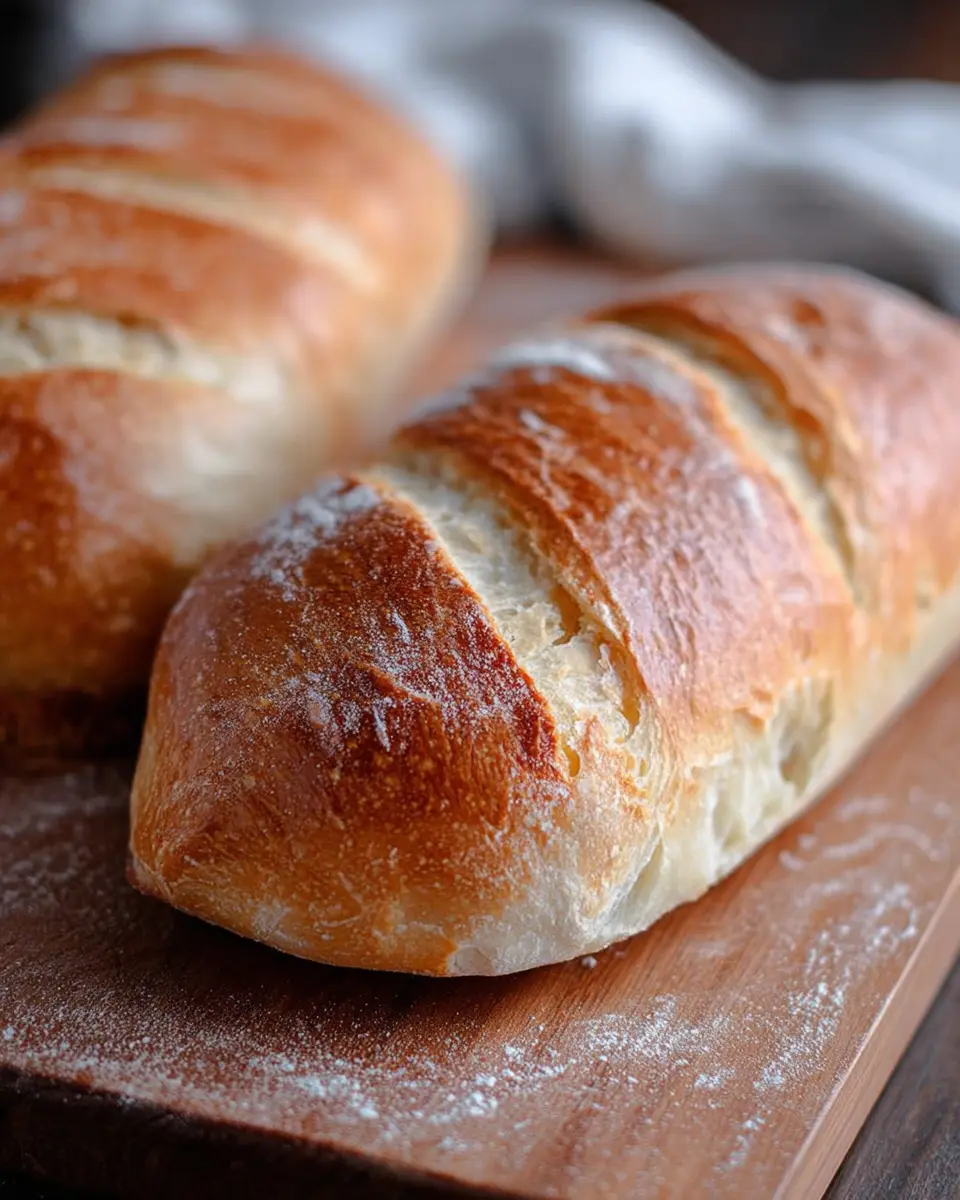
Serving Suggestions for Easy Homemade French Bread
Pairing with Soups and Salads
Easy homemade French bread is the perfect companion for a variety of soups and salads. Whether you’re enjoying a rich tomato basil soup or a hearty lentil stew, dipping a warm slice of French bread into the broth enhances the experience. For salads, a crusty bread slice can be a delightful side, adding texture and flavor. Try serving it with a refreshing mixed greens salad dressed in a light vinaigrette, and you’ll find that the combination is simply outstanding.
Making Sandwiches with Fresh Bread
What's better than a fresh sandwich made with easy homemade French bread? Its soft center and crispy crust make it ideal for layering your favorite fillings. Think turkey bacon, chicken ham, roasted veggies, or even a classic BLT! Each bite bursts with flavor, making lunch something to look forward to. You might even consider grilling your sandwich for an extra crispy finish. The possibilities are endless! Don’t forget to explore other combinations, like Caprese or gourmet grilled cheese, to elevate your sandwich game!
Time Breakdown for Easy Homemade French Bread
Preparation Time
The prep time for this easy homemade French bread is approximately 15 minutes. This includes gathering your ingredients and mixing them together until you have that perfect dough.
Rising Time
After kneading, your dough will need some love! Expect about 2 hours for rising—this gives the yeast time to work its magic, resulting in beautifully airy loaves.
Baking Time
Once your loaves are shaped and risen, they will bake for 25 to 30 minutes. Keeping an eye on them will help ensure a perfectly golden crust!
Total Time
In total, you're looking at around 3 hours and 40 minutes from start to delicious finish. It may seem long, but a lot of that is passive waiting, making it easy to fit into a busy schedule.
For more tips on timing and techniques, consider checking out resources from culinary experts like Serious Eats or King Arthur Baking. Enjoy your homemade journey!
Nutritional Facts for Easy Homemade French Bread
When baking easy homemade French bread, it’s essential to know what you’re consuming, especially when it can complement a variety of dishes! Here are some key nutritional facts:
Calories per slice
Each slice contains approximately 80-100 calories. This makes it a great option for sandwiches or as a side to your main course without too many extra calories.
Carbohydrates
You’ll find 15-20 grams of carbohydrates per slice, supplying your body with the energy it needs to thrive. Perfect for those busy days where you need that extra boost!
Protein
This bread offers about 2-3 grams of protein per slice, making it a lovely addition to your meal prep or breakfast alongside a protein source like turkey bacon or chicken ham.
By keeping these numbers in mind, you can enjoy your homemade French bread while balancing your nutritional intake! For more insights on wholesome ingredients and tips for healthier meal prep, check out resources like USDA FoodData Central for a deeper dive into nutrition.
FAQs about Easy Homemade French Bread
Can I use whole wheat flour for this recipe?
Yes! You can absolutely use whole wheat flour for this easy homemade French bread recipe. For the best results, start by substituting half of the all-purpose flour with white whole wheat flour. This tweak retains moisture while enhancing the bread’s nutritional profile. To ensure a light and fluffy texture, consider kneading the dough for an additional 2-3 minutes or even adding a bit of vital wheat gluten, which helps strengthen the dough.
How should I store homemade French bread?
To keep your homemade French bread fresh, store it at room temperature in a paper bag. This allows the crust to breathe while keeping the inside soft. If you want to extend its shelf life, wrap it in plastic wrap and store it in the freezer. When you're ready to enjoy it, simply thaw at room temperature or warm it in the oven.
Why is my bread dense?
A dense loaf can stem from a few factors. Common culprits include using too much flour or over-kneading the dough. It’s crucial that the dough is slightly tacky but not overly sticky; aim for a soft, supple consistency. Additionally, ensure your yeast is fresh and activated! If you ever find yourself in this situation, refer to this yeast guide for tips on troubleshooting.
Conclusion on Easy Homemade French Bread
In just a few hours, you can create easy homemade French bread that will elevate any meal or gathering. The aroma alone is worth the effort! Enjoy slicing it fresh from the oven, perhaps with a spread of garlic butter or using it for delectable sandwiches. Happy baking!
Easy Homemade French Bread
Equipment
- Electric stand mixer
- Dough hook
- Baking sheet
- Parchment paper
- Bread lame or sharp knife
Ingredients
- 2.25 cups warm water 110-115 degrees F
- 2 tablespoons granulated sugar
- 1 tablespoon instant or active dry yeast
- 2.25 teaspoons salt see note
- 2 tablespoons olive oil or canola oil, vegetable oil or avocado oil
- 5.5-6 cups all-purpose flour or bread flour, see note
Instructions
- In the bowl of an electric stand mixer fitted with the dough hook, combine the water, sugar and yeast. If using active dry yeast, let the mixture bubble and foam before proceeding (this can take 3-5 minutes). If using instant yeast, proceed with the recipe (no need to let the yeast activate).
- Add the salt, oil and 3 cups of flour and mix. Add in 2 ½ to 3 more cups of flour gradually. The dough should clear the sides of the bowl and form a soft ball that doesn't leave a lot of dough residue on your fingers.
- Knead for 2-3 minutes until the dough is smooth. If the dough starts to cling to the sides of the bowl (or the center column if using a Bosch or other mixer with a center), add ¼ cup of flour at a time until a sturdy but soft ball of dough forms.
- Rising Method 1: Leave the dough in the mixer, cover with a lid or towel, and let the dough rest for 10 minutes. Stir it down by turning on the mixer for 10 seconds or so. Repeat the 'rest and stir down' cycle five more times.
- Rising Method 2: Instead of letting the dough rest for 10 minute spurts and then stirring it down, transfer the dough to a lightly greased bowl and cover with a towel or greased plastic wrap. Let the dough rise until doubled, about an hour or so, depending on the warmth of your kitchen.
- Turn the dough onto a lightly greased surface and divide in half. Pat each section into a thick rectangle, 9X13-inches or thereabouts (doesn't have to be exact). Roll the dough up starting from the long edge, pressing out any air bubbles or seams with the heel of your hand, and pinch the edge to seal. Arrange seam side down on a large baking sheet lined with parchment paper.
- With a bread lame, razor blade or VERY sharp knife, cut several gashes at an angle on the top each loaf.
- Cover the loaves with greased plastic wrap or a kitchen towel, and let rise until noticeably puffy and nearly doubled in size, about an hour.
- Preheat the oven to 375 degrees F and make sure an oven rack is in the center position.
- Optional: for an extra golden, crisp crust, place the loaves in the preheated oven and immediately toss 3-4 ice cubes on the bottom of the oven. Close the oven door quickly but gently.
- Bake the loaves for 25-30 minutes until golden and baked through.
- If desired, brush melted butter over the hot loaves.




Leave a Reply